
Aug 24, 2026
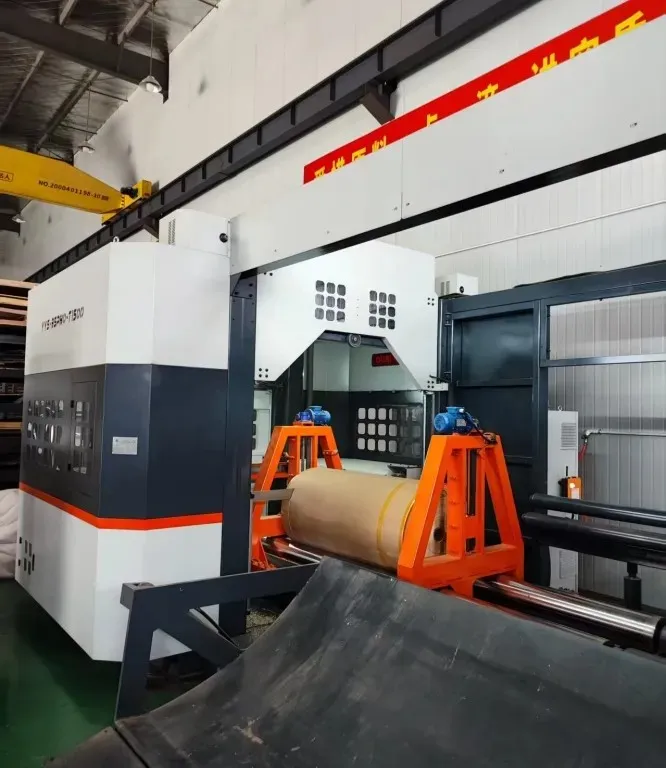
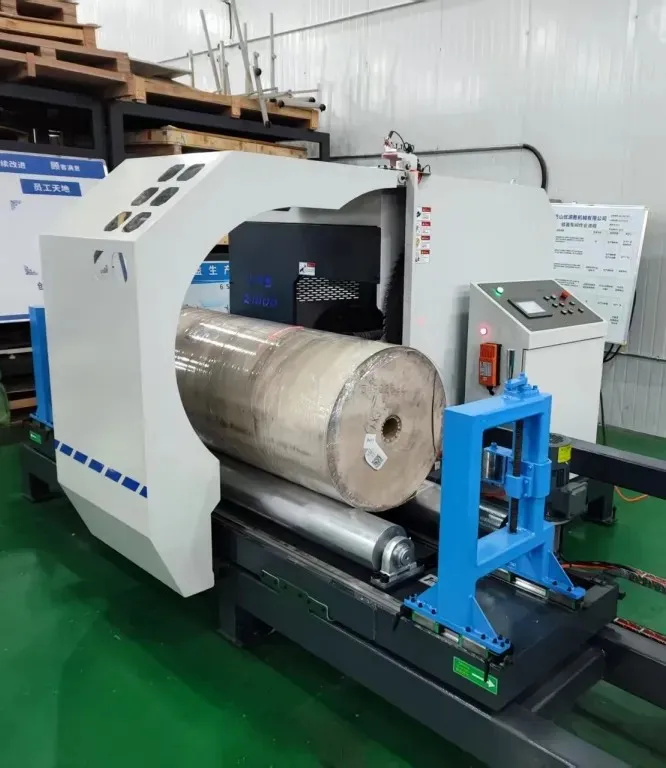
The automation of paper roll slitting technology is increasingly essential for manufacturers aiming to improve production efficiency and reduce operational costs. As industries evolve, so do the technologies that support them. In this article, we will explore the top five trends shaping the future of automated paper roll slitting, such as advancements in robotics, IoT integration, data analytics, user-friendly interfaces, and sustainability initiatives. These trends address common user pain points while enhancing productivity and streamlining operations.
Robotic technology in paper roll slitting is making waves by enhancing precision and speed in production. Automated slitting machines now feature:
This progression leads to fewer errors and increased safety in operations.
Robotics helps in cutting down production time and increasing throughput.
These innovations ensure operations adapt promptly to any variances in material characteristics.
IOT is reshaping how automated paper roll slitting machines operate by enabling data exchange. Key benefits include:
Ensuring timely repairs can reduce downtime significantly.
By anticipating issues, manufacturers can resolve problems before they disrupt production.
IoT integration can help in monitoring security threats and providing alerts, ensuring a safe working environment.
The utilization of data analytics in slitting technologies is revolutionizing decision-making processes. Key aspects include:
Data-driven decisions can reduce waste and improve overall efficiency.
This information can guide operators in making informed adjustments to machine settings.
Constant data inputs facilitate ongoing enhancements to machine performance.
As technology advances, so does the need for user-friendly machines. System improvements include:
A user-friendly interface shortens the learning curve for personnel.
Operators can easily track performance metrics and machine statuses in real time.
Streamlining support access increases operational efficiency during machine downtime.
As environmental awareness grows, so do initiatives within the paper slitting sector. Notable trends include:
Reduced energy consumption aligns with global sustainability goals.
Supporting a circular economy encourages manufacturers to adopt eco-friendly practices.
Lower waste levels mean reduced costs and improved environmental impact.
These five trends in automated paper roll slitting technology exemplify how industry transformations can address efficiency, safety, and sustainability in production settings. By leveraging advancements in robotics, IoT, data analytics, user interfaces, and sustainable practices, manufacturers can position themselves for successful future operations. For organizations looking to enhance productivity and reduce waste, embracing these technological trends is imperative.
| Technology | Efficiency | Cost Reduction Potential | Ease of Use |
|---|---|---|---|
| Robotic Slitting Systems | High | Medium | Medium |
| IoT-Enabled Machines | Medium | High | High |
| Data-Driven Slitting Machines | High | High | Medium |
By recognizing these upcoming trends and adapting to changing technologies, manufacturers can future-proof their operations in the competitive market of paper roll slitting.
Main Products

High-End

Auto Blade Retraction

Efficient

Multi-Functional

High-Precision
Characteristics

Stylish
Performance
Characteristics

Cutting 1800mm Diameter
Performance
Characteristics
Automatic roll loading and unloading

Flexible
Performance
Characteristics

PLC Control
Performance
Characteristics

Social Media
Social Media
Contact Us
+86 0512 5510 8067
Room 3, No.2159, Beimen Road, Yushan Town, Kunshan City, Jiangsu Province, China
Inquiry
Inquiry
News Center
September 28, 2026
September 28, 2026
Advantages and Disadvantages of Automatic Band Saw Paper Slitters


 RU
RU
