
Jun 29, 2026
When choosing slitting technology for your production line, it's vital to understand the key differences between circular blade and band saw slitting. These technologies utilize distinct methods for cutting materials, such as paper and metal. Understanding their unique benefits and limitations can help you make the best choice for your manufacturing needs. This article will explore the detailed comparisons and applications of each technology, assisting you in making the right choice. Discover how each method impacts efficiency, quality, and costs.
Slitting technologies play a critical role in the manufacturing process. Both circular blade and band saw slitting technologies are widely used but differ in their methods and applications.
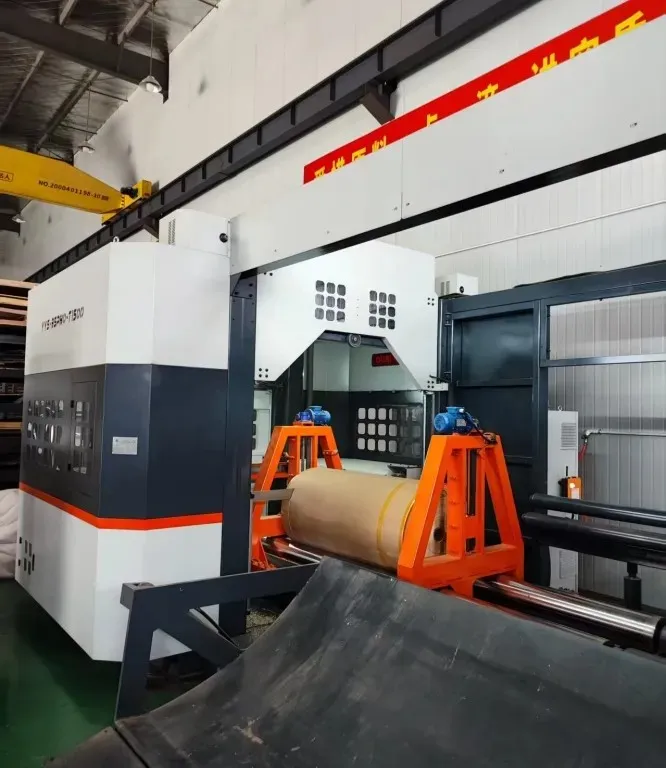
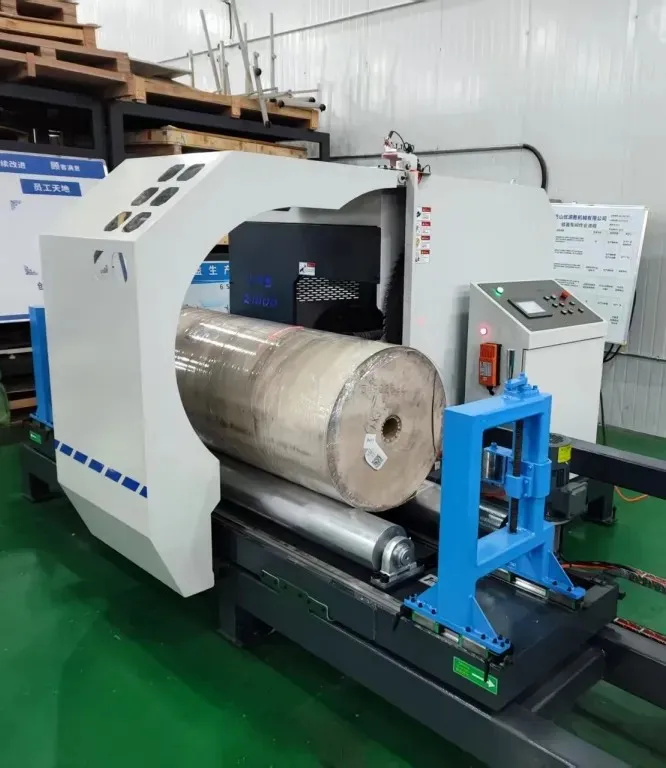
Circular blade slitting involves using a rotating circular knife to cut through materials. This method is often preferred for high-speed production due to its efficiency.
In contrast, band saw slitting utilizes a long, flexible blade that resembles a band. This technology is typically recognized for its versatility in handling diverse material thicknesses.
The cutting mechanism is fundamentally different between the two technologies.
Circular blades rotate at high speeds allowing for fast and clean cuts. They operate with a focused cutting-edge that minimizes material waste.
Band saws operate by moving the blade in a continuous loop, making them suitable for intricate cuts and curves in thicker materials.
Deciding which slitting technology to use often hinges on the material being processed.
This technology excels with thin materials like film and paper. Circular blades maintain sharpness, ensuring consistent performance on such substrates.
Band saws are more adaptable, handling a broader range of materials including metals and wood, making them ideal for various industries.
| Parameter | Circular Blade Slitting | Band Saw Slitting |
|---|---|---|
| Speed | High | Moderate |
| Material Types | Thin materials | Diverse materials |
| Cutting Precision | High | Variable |
| Waste Management | Low | Higher |
Efficiency directly affects productivity and ultimately the bottom line.
The high-speed operation of circular blade slitting can significantly enhance productivity, enabling longer production runs with minimal downtime.
While band saws may operate at slower speeds, their ability to accommodate thicker materials can lead to higher productivity in specific applications.
Cost is a crucial factor in deciding which technology to invest in.
Circular blade equipment tends to be more expensive initially but can offer better long-term value due to higher efficiency and lower operational costs.
Band saw systems may be less expensive upfront, but variable maintenance costs and energy consumption should be considered when calculating total cost of ownership.
Understanding maintenance needs can impact operational efficiency.
Regular blade changes and lubrication are essential to maintain cutting efficiency, and downtime can be minimized with proper scheduling.
Band saws require blade tension adjustments and periodic blade replacements. They may need more maintenance due to blade wear from handling different materials.
When making a decision, consider the following factors:
The choice between circular blade and band saw slitting technology ultimately depends on the specific requirements of your production line. Circular blades score on speed and efficiency for thin materials, while band saws excel with heavier and thicker products. Assessing your unique materials and production needs will guide you to a decision aligned with your operational goals.
For further inquiries on slitting machines, please visit Paper Saw King to explore a variety of high-quality solutions tailored to your business needs.
Main Products

High-End

Auto Blade Retraction

Efficient

Multi-Functional

High-Precision
Characteristics

Stylish
Performance
Characteristics

Cutting 1800mm Diameter
Performance
Characteristics
Automatic roll loading and unloading

Flexible
Performance
Characteristics

PLC Control
Performance
Characteristics

Social Media
Social Media
Contact Us
+86 0512 5510 8067
Room 3, No.2159, Beimen Road, Yushan Town, Kunshan City, Jiangsu Province, China
Inquiry
Inquiry
News Center
September 28, 2026
September 28, 2026
Advantages and Disadvantages of Automatic Band Saw Paper Slitters


 RU
RU
