
Aug 24, 2026
In today's fast-paced manufacturing landscape, businesses are often pressed to improve operational efficiency while reducing waste in production processes. One significant pain point is the challenge of efficiently slitting large rolls of material into smaller, usable sizes. An automated roll slitting system offers a solution, providing enhanced performance and reliability. However, as companies incorporate high-speed automated roll slitting systems, they must carefully evaluate both the benefits and drawbacks. How does a modern slitting system truly impact business operations, and what are the hidden challenges? This article will thoroughly examine the pros and cons of these innovative systems, with a focus on why a comprehensive evaluation is essential for businesses seeking optimal manufacturing efficiency.
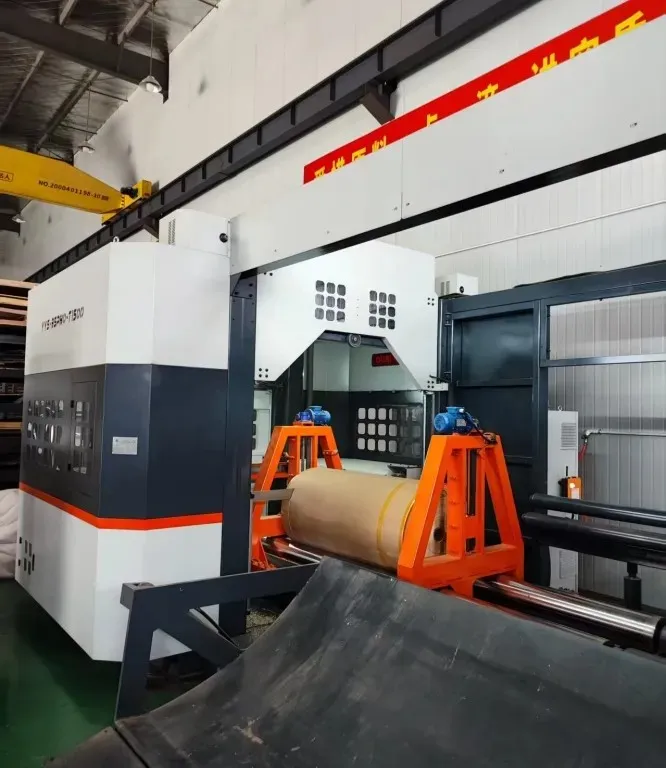
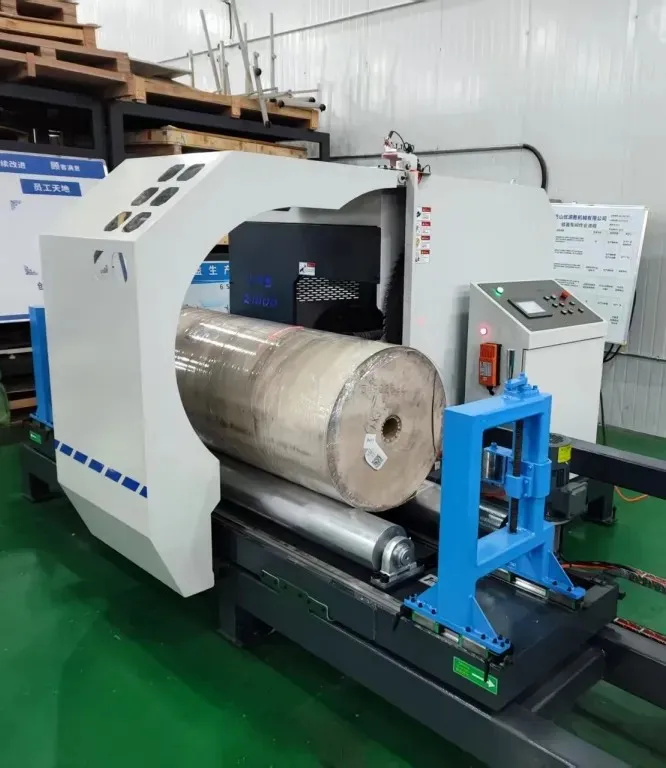
The primary advantage of high-speed automated roll slitting systems lies in their impressive productivity. For example, a state-of-the-art machine can achieve slitting speeds of up to 1,500 meters per minute, drastically reducing the time it takes to produce smaller rolls compared to traditional methods.
In addition to speed, these machines offer enhanced precision. High-quality automated slitting systems can maintain tolerances of ±0.2 mm, ensuring consistently accurate cuts that reduce waste. This accuracy translates into an average reduction of material waste by approximately 15%, significantly lowering costs over time. Moreover, advanced systems incorporate technology such as automatic tension control, which further enhances production quality, resulting in measurable improvements in conversion rates, which can increase by up to 30% due to reduced defects.
Furthermore, the labor aspect cannot be understated. Operations that once required several manual workers can now be managed with a single operator, leading to labor cost savings of approximately 40%. High-quality brands like Paper Saw King are setting a new standard in the industry, combining superior technology with reliability.
While the advantages are substantial, high-speed automated roll slitting systems do come with certain drawbacks that must be considered. The initial investment for such machines can range from $100,000 to over $500,000, which can be a significant barrier for smaller businesses. This upfront cost may take years to pay off if production volume does not meet expectations.
Maintenance is another critical factor. Although current models are designed for durability, they still require regular servicing and upkeep to operate optimally. Failure to perform routine maintenance can lead to increased downtime, which can be detrimental to overall efficiency and productivity. Companies should budget for maintenance costs, typically estimated at around 10% of the machine’s cost annually.
Additionally, transitioning to automated systems may require retraining existing staff, which could lead to temporary productivity drops. Employees used to manual processes may take time to adapt to new technologies and workflows, potentially affecting overall operations.
Determining whether to invest in a high-speed automated roll slitting system largely depends on a manufacturer’s specific needs. For large-scale operations that produce significant volumes of slitting material daily, the benefits often outweigh the drawbacks, mainly due to the potential for increased efficiency, reduced labor costs, and lower waste. In contrast, smaller businesses with lower production demands might find the initial investment less justifiable and may benefit from a mixed approach, using both automated and manual processes.
High-speed automated roll slitting systems are best suited for large manufacturing setups that consistently require high output and efficiency. Companies producing goods such as packaging materials, textiles, and other materials requiring precise slitting can see a considerable return on investment. Sectors that prioritize speed, quality, and cost reduction should seriously consider these systems, especially from reputable brands like Paper Saw King.
The main benefit is the significant increase in productivity, with slitting speeds reaching up to 1,500 meters per minute, which greatly reduces production time.
These systems can maintain slitting tolerances of ±0.2 mm, ensuring consistently accurate cuts and reducing material waste by approximately 15%.
Yes, potential hidden costs include routine maintenance, which can average around 10% of the machine's cost annually, and possible retraining expenses for existing staff.
Main Products

High-End

Auto Blade Retraction

Efficient

Multi-Functional

High-Precision
Characteristics

Stylish
Performance
Characteristics

Cutting 1800mm Diameter
Performance
Characteristics
Automatic roll loading and unloading

Flexible
Performance
Characteristics

PLC Control
Performance
Characteristics

Social Media
Social Media
Contact Us
+86 0512 5510 8067
Room 3, No.2159, Beimen Road, Yushan Town, Kunshan City, Jiangsu Province, China
Inquiry
Inquiry
News Center
September 28, 2026
September 28, 2026
Advantages and Disadvantages of Automatic Band Saw Paper Slitters


 RU
RU
