Dec 04, 2025
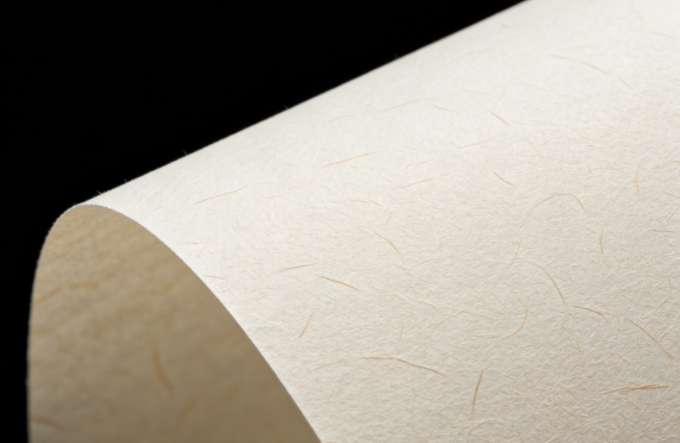
Wood-free paper represents a significant advancement in papermaking technology, offering superior quality and longevity compared to traditional wood-based papers. Contrary to what its name might suggest, wood-free paper is not necessarily made without wood pulp but refers specifically to paper created from chemical pulp where most of the lignin has been removed. This distinction is crucial because lignin, the natural adhesive that holds wood fibers together, is responsible for paper's tendency to yellow, weaken, and deteriorate over time as it releases acid.
The production of wood-free paper involves sophisticated chemical pulping processes that fundamentally alter the structure of wood fibers. During chemical pulping, chemicals break down the chemical structure of lignin, rendering it soluble so it can be washed away from the cellulose fibers. This process typically removes about 90% of the lignin content, preserving the carbohydrate components that contribute to paper strength and durability. The most common method for producing chemical pulp is the Kraft process, invented in the 1870s in Germany by Carl Dahl, which uses a mixture of sodium hydroxide and sodium sulfide to break the bonds linking lignin to cellulose.
Compared to mechanical pulping, which retains most wood components including lignin and yields 85-95% of the original wood, chemical pulping has a much lower yield of only 40-50%. However, this process preserves fiber length and produces stronger paper with more uniform properties. The removed lignin isn't wasted either - it's often burned to generate the majority of the heat and electricity needed to run the chemical pulping process and downstream operations, making the process more energy efficient.
Wood-free papers come in several distinct varieties, each with specific characteristics and applications. The two main categories are tissue pulp and non-wood pulp papers. Tissue pulp paper, made from chemically treated wood pulp with lignin removed, is smooth, opaque, and relatively inexpensive, making it ideal for printing and writing applications. Non-wood pulp paper, made from materials like cotton, hemp, linen, and bamboo, is more expensive but offers higher quality and durability.
Specific types of wood-free papers include cotton paper made from 100% cotton fibers, known for its strength, durability, and high opacity; hemp paper made from strong hemp fibers that's biodegradable and recyclable; linen paper with a natural sheen; and bamboo paper made from renewable bamboo fibers with a smooth, matte finish. These papers also come in both uncoated and coated varieties, with uncoated typically used for printing and writing, while coated is used for packaging and labels.
Wood-free paper offers numerous advantages that make it suitable for various high-quality applications. Its most notable benefit is exceptional durability and longevity - designed to withstand frequent handling, making it ideal for books and publications that will be frequently accessed. The removal of lignin prevents yellowing and deterioration over time, making wood-free paper particularly valuable for archiving important documents and artworks.
In terms of print quality, wood-free paper provides excellent print clarity and sharpness, especially for text-heavy content. Its smooth surface allows for better ink retention and produces crisp, white backgrounds that enhance readability. This makes it particularly suitable for high-quality printing projects such as magazines, brochures, catalogs, and publishing materials.
Wood-free paper presents several environmental benefits that align with modern sustainability goals. The paper is renewable, biodegradable, and acid-free, making it a sustainable choice for the paper industry. Many wood-free papers are produced using responsibly sourced wood pulp from sustainably managed forests, with trees being replanted and forests preserved for future generations.
The production process itself has a reduced environmental impact compared to other paper types. Wood-free paper is typically bleached using substances like hydrogen peroxide rather than more harmful chemicals, and it can be made from recycled fiber. Additionally, wood-free paper is fully recyclable, contributing to a circular economy by reducing the need for virgin fiber and minimizing landfill waste.
When compared to mechanical pulp papers, wood-free paper offers a smoother texture due to the absence of coarse wood fibers. It's also more resistant to aging and maintains its brightness longer. Compared to coated papers, wood-free paper typically has a more natural and tactile feel with a subtle texture that can enhance the reading experience, though coated papers may be better suited for images and graphics due to their smoother surface and higher density.
An important distinction must be made between wood-free paper and tree-free paper. While both terms are sometimes used interchangeably, tree-free paper specifically refers to paper made from non-wood materials such as agricultural wastes (sugarcane bagasse, husks, straw), fiber crops (bamboo, kenaf, hemp, jute, flax), or textile wastes. Wood-free paper, in contrast, typically uses wood pulp but with the lignin chemically removed.
The manufacturing of wood-free paper has evolved to include innovative processes that combine different pulp types. Recent patents describe processes for manufacturing paper or paperboard containing mixed pulps, combining mechanical pulp with wood-free pulp in specific proportions (no more than 20% mechanical pulp by total dry weight of fiber). These processes incorporate additional filler and cationic polymers to the mechanical pulp to avoid poor sheet formation.
In the publishing industry, wood-free paper's consistent printing performance across different printing processes helps maintain the integrity of print materials. Its strength and resistance to wear and tear ensure that materials remain intact through extended use, making it particularly valuable for educational materials, legal documents, and archival records.
Wood-free paper represents the intersection of quality, durability, and environmental responsibility in modern papermaking. By removing the lignin that causes traditional papers to deteriorate, manufacturers have created a product that maintains its integrity and appearance over time while offering superior printing characteristics. As industries increasingly prioritize sustainability and longevity in their materials, wood-free paper stands as a testament to how technological innovation can enhance both performance and environmental stewardship. Whether for archival documents, high-quality publications, or specialty projects, wood-free paper offers a reliable and responsible choice that meets the demands of both present applications and future preservation needs.
Main Products
High-End
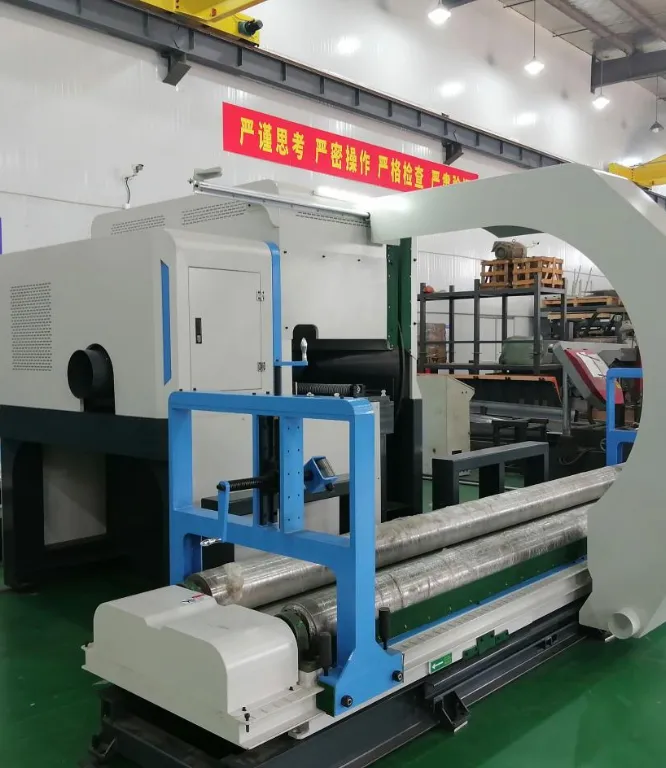
Auto Blade Retraction
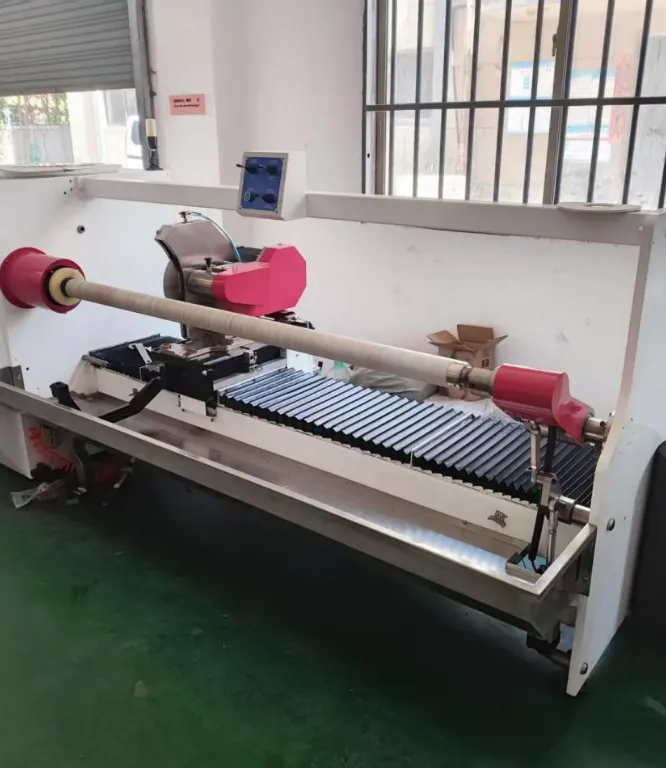
Efficient
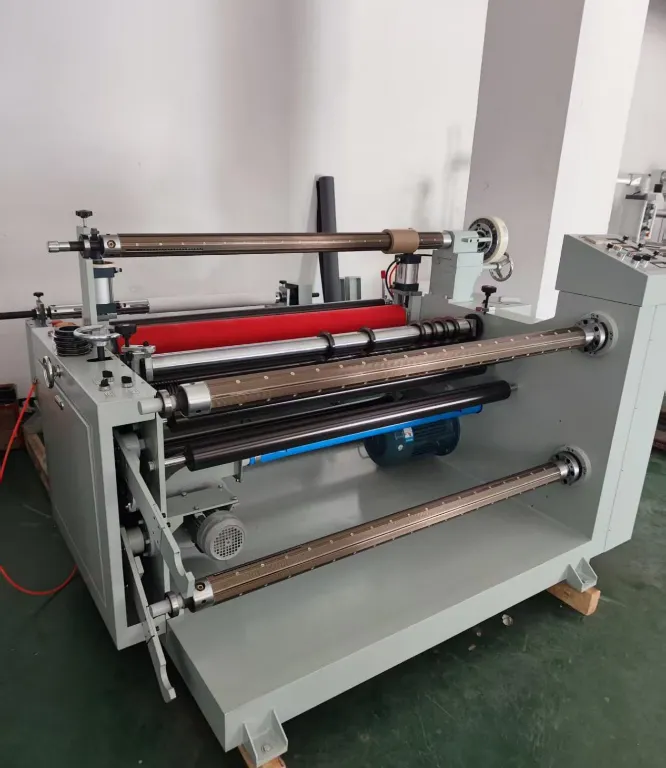
Multi-Functional
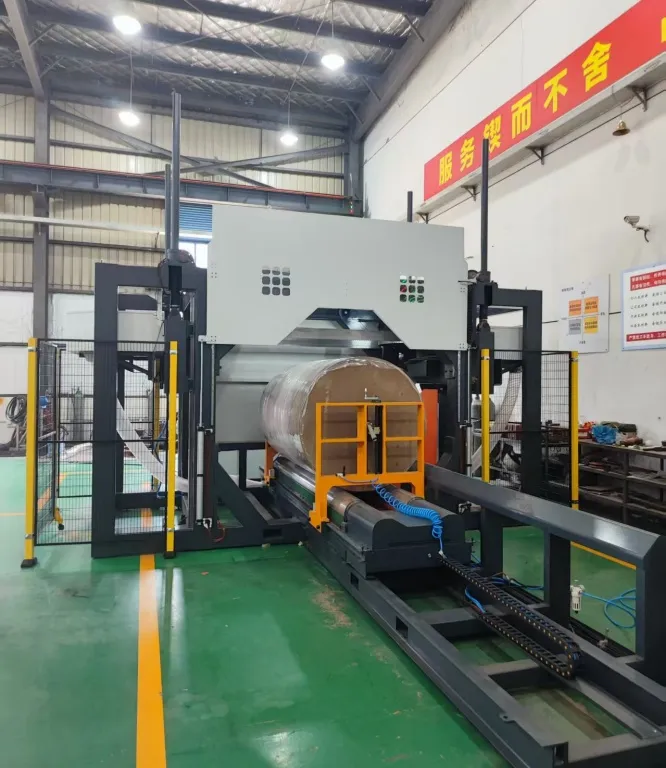
High-Precision
Characteristics
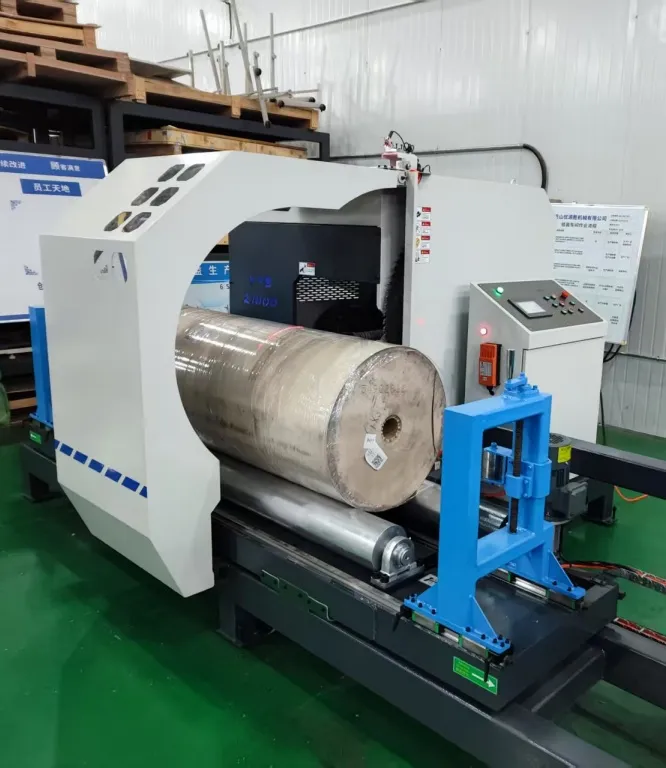
Stylish
Performance
Characteristics
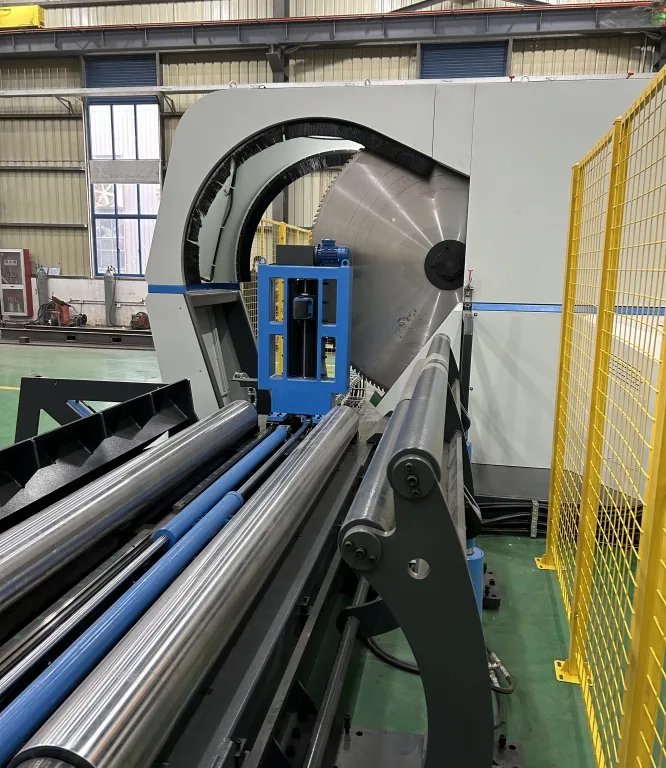
Cutting 1800mm Diameter
Performance
Characteristics
Automatic roll loading and unloading
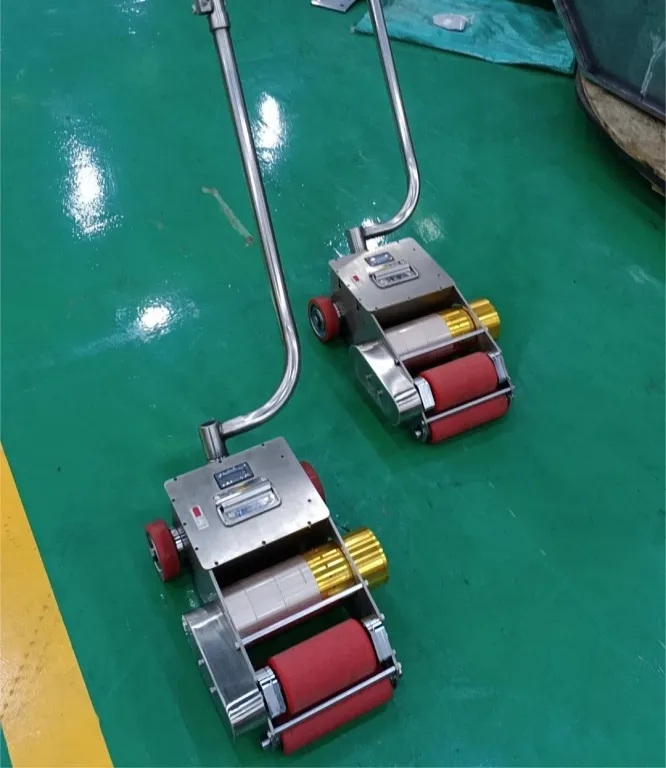
Flexible
Performance
Characteristics
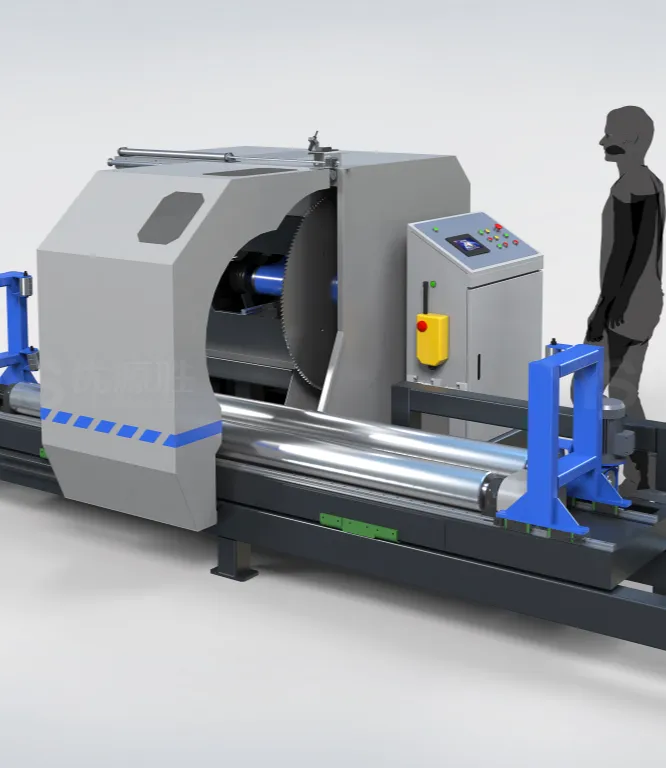
PLC Control
Performance
Characteristics
Social Media
Social Media
Contact Us
+86 0512 5510 8067
Room 3, No.2159, Beimen Road, Yushan Town, Kunshan City, Jiangsu Province, China
Inquiry
Inquiry
News Center
February 03, 2026
How After-Sales Support Affects Jumbo Roll Cutting Machine Performance


 RU
RU