Dec 10, 2025
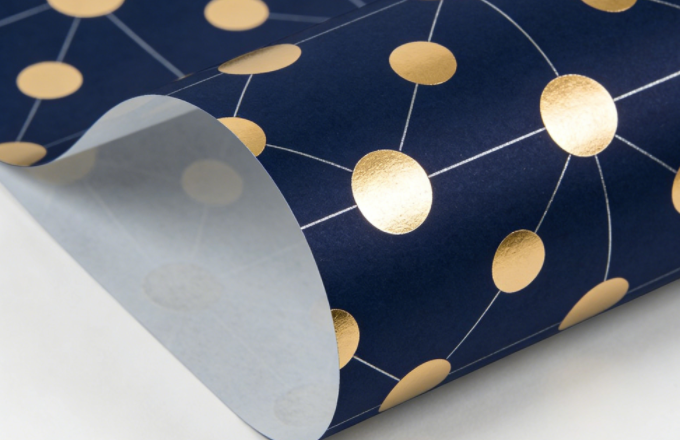
Wrapping paper, a seemingly simple sheet of decorative material, is in fact a fascinating product born from a confluence of art, science, and cultural tradition. Its primary function is to wrap gifts, adding an element of surprise and delight when they are opened. However, its journey from raw material to a vehicle of joy is intricate, and its role extends far beyond mere concealment. This article delves into the multifaceted world of wrapping paper, exploring its history, manufacturing, diverse types, and its evolving significance in modern society.
The story of paper itself is deeply intertwined with wrapping. Historically, among the earliest known uses of paper was for padding and wrapping delicate objects, such as bronze mirrors, for protection during the Han dynasty in China. This practical application highlights paper's inherent protective qualities. Over centuries, as papermaking technology spread and evolved, so did its uses. The invention of printing, particularly during the Song dynasty, dramatically increased the demand for paper and spurred innovations in its production. While writing became a dominant use, paper "continued to be used for wrapping (and other) purposes", laying the groundwork for its decorative future. The transition to the colorful, patterned paper we recognize today is a more recent development in the long history of this versatile material.
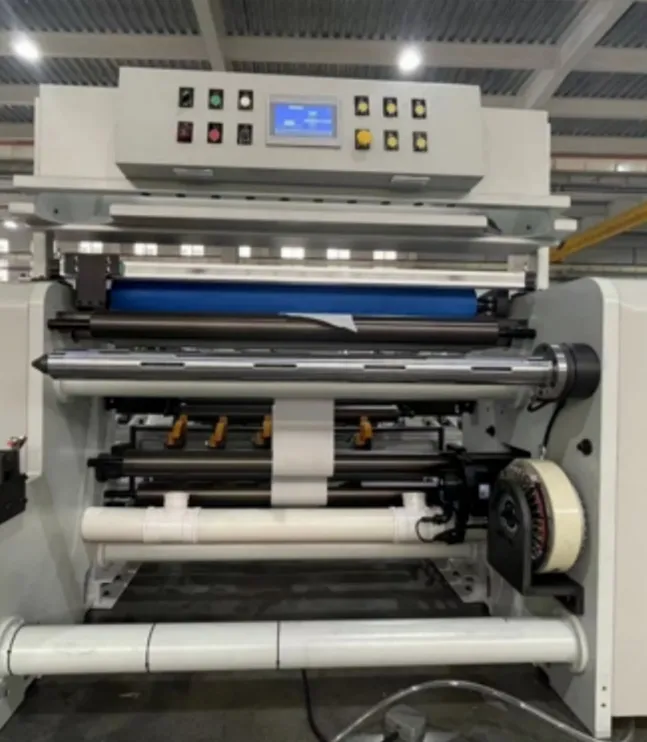
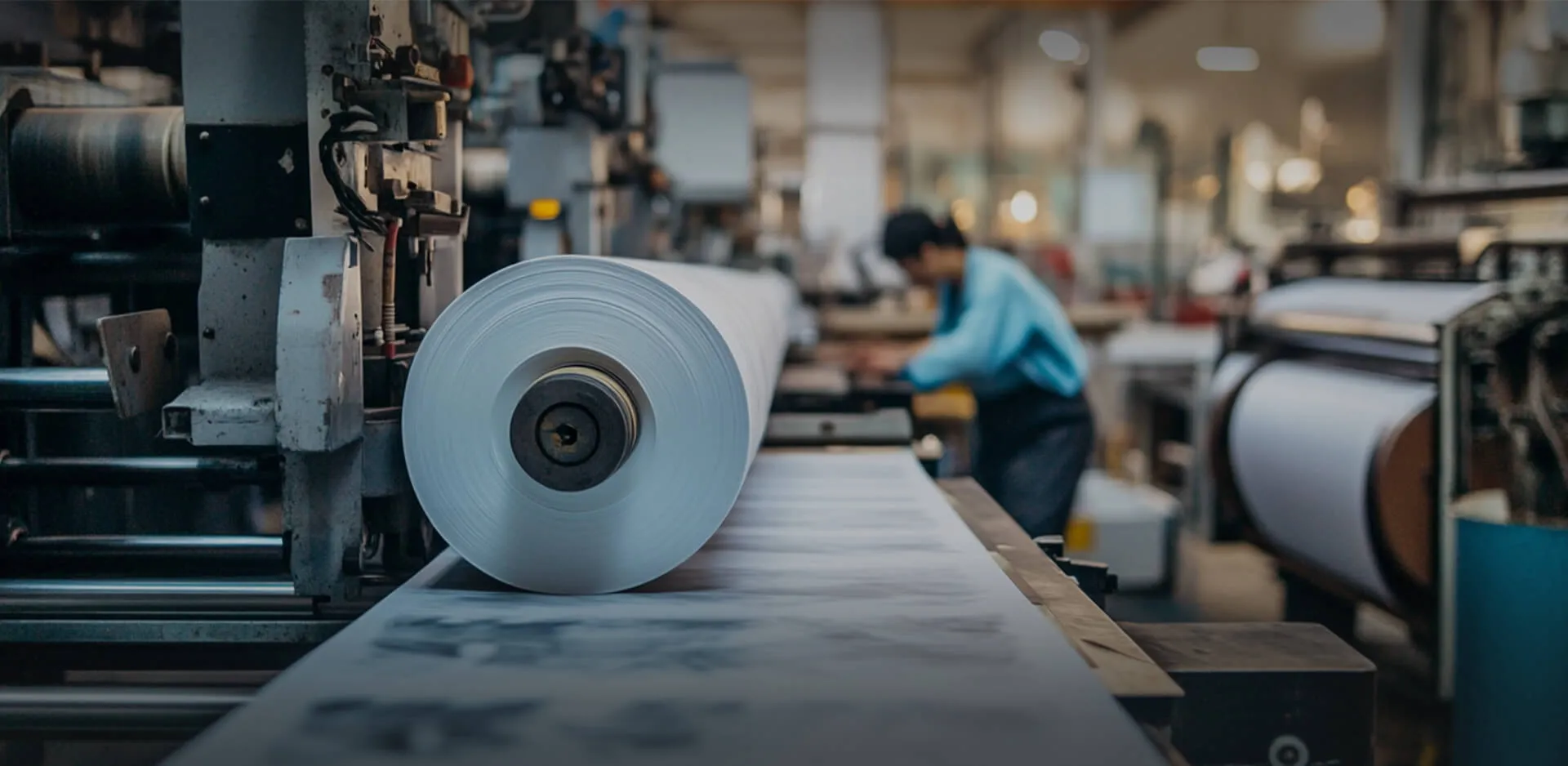
The creation of modern wrapping paper is a specialized industrial process that transforms humble raw materials into rolls of festive cheer. It typically begins with the selection of pulp, which can come from wood fiber, recycled paper, or bamboo. This pulp is processed into a slurry, formed into a thin wet sheet on a wire mesh, and then pressed and dried. The true magic happens in the printing and decorating stage. Here, vibrant colors and patterns are applied using methods like offset, flexographic, or digital printing. The industry has seen technological evolution, from early "surface print" machines that produced crinkly, embossed paper dried on giant overhead tracks, to modern high-quality flexographic and gravure printers that deliver smooth, detailed finishes. After printing, the paper is often coated with a thin layer of wax or plastic to enhance durability, water resistance, and provide a shiny finish. Finally, it is cut into standard sheets or rolls—common sizes include 40x60cm, 70x100cm, and 100x130cm—before being packaged for sale.
Wrapping paper is not a monolithic product; it encompasses a wide variety tailored to different needs. Broadly, it can be categorized by material and finish. Common types include glossy paper, which is shiny and reflective; matte paper with a non-reflective, understated look; and kraft paper, known for its rustic, brown appearance and eco-friendly appeal. The choice of base material significantly impacts the final product's look, feel, and functionality. Beyond aesthetics, there are numerous specialized functional papers. For instance, food wrapping paper must meet strict hygiene and sterility standards, with specific types like grease-resistant silicone paper or moisture-impermeable paper for liquids. Other specialized varieties include thin, soft fruit packaging paper, anti-static paper for electronics, and corrugated paper used for making sturdy boxes. This diversity ensures that whether for a delicate pastry, a technical gadget, or a birthday gift, there is a suitable wrapping paper designed for the task.
In contemporary use, wrapping paper serves two powerful, sometimes competing, roles. Firstly, it is a critical element of presentation and emotional expression. The design process involves extensive research into trends, color palettes, and motifs. Designers draw inspiration from culture and nature to create patterns that do more than decorate—they aim to evoke specific emotions and sentiments, enhancing the joy of gift-giving. The choice of paper, its pattern, and texture all contribute to setting the stage for the gift inside, making the unwrapping experience a memorable part of the ritual.
Secondly, there is a growing and powerful trend toward sustainability. The industry is increasingly mindful of its environmental impact. This shift is evident in the use of recycled materials for pulp, soy-based or water-based inks for printing, and the promotion of recycling and reuse. Consumers are encouraged to opt for recycled or recyclable paper, or to get creative by repurposing materials like old maps, newspaper comics, or brown paper bags for a unique and eco-conscious wrap. This movement aligns with a broader understanding that sustainable gift wrapping is a way to express care for both the recipient and the planet.
In conclusion, wrapping paper is a remarkable artifact of human creativity and practicality. From its ancient origins as a protective padding to its current status as an essential component of celebration and a focus of environmental innovation, it encapsulates a rich history. Its manufacturing is a precise science, its diversity meets countless functional needs, and its design touches on deep human emotions. As society continues to evolve, so too will wrapping paper, balancing its timeless role in creating delight with the urgent need for sustainable practice.
Main Products
High-End
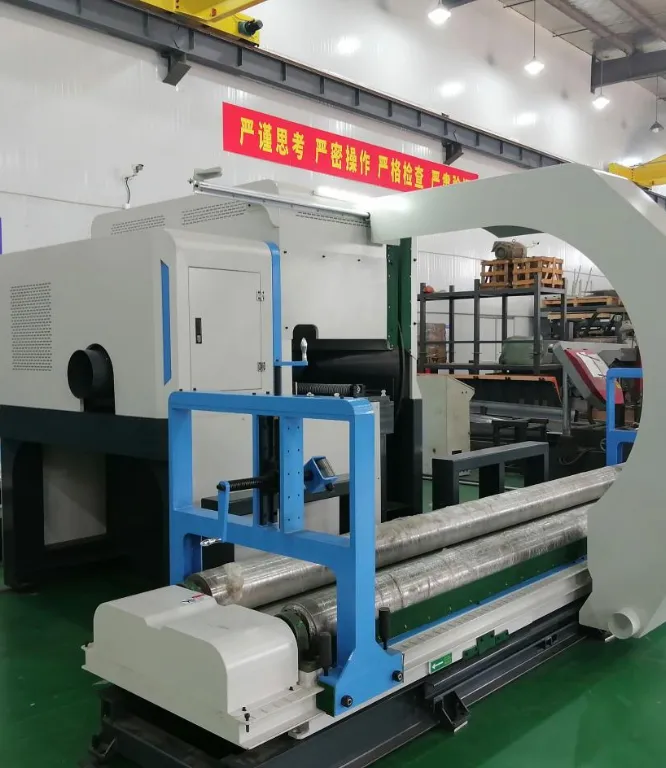
Auto Blade Retraction
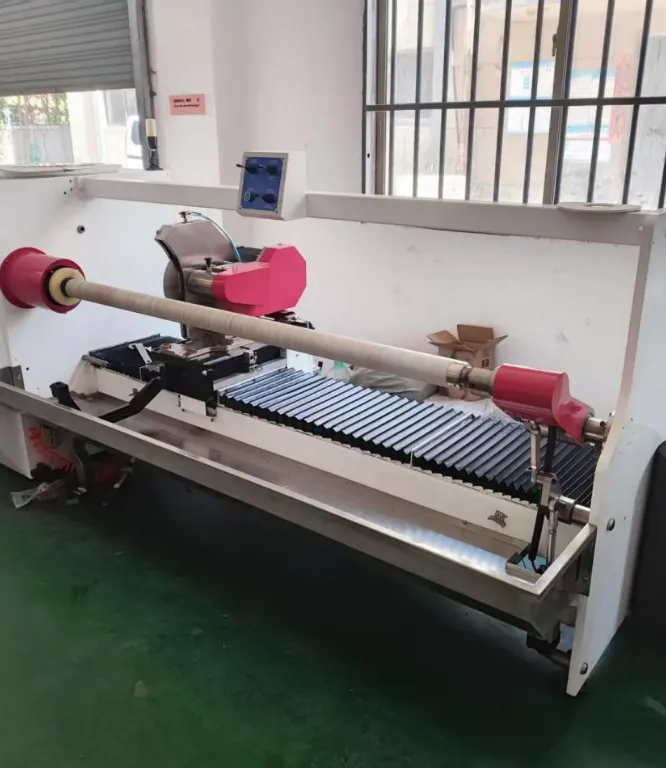
Efficient
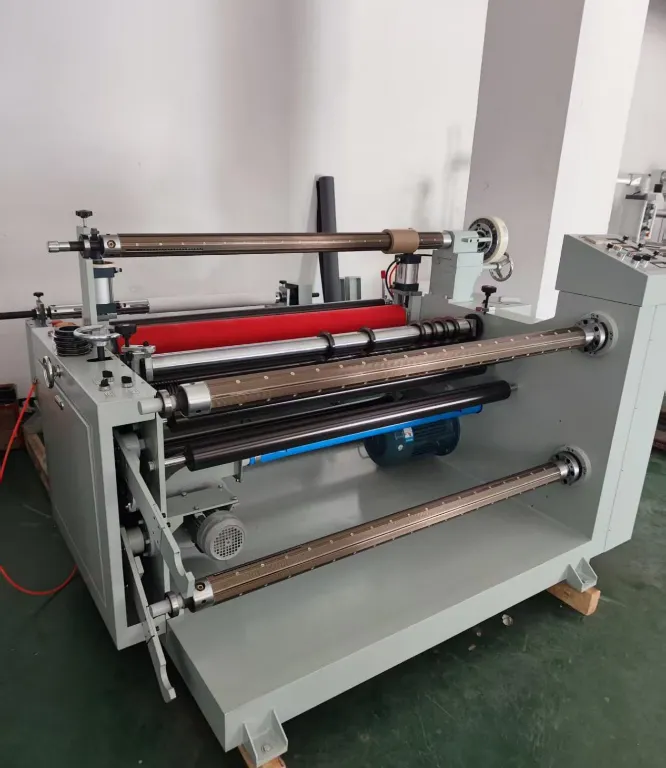
Multi-Functional
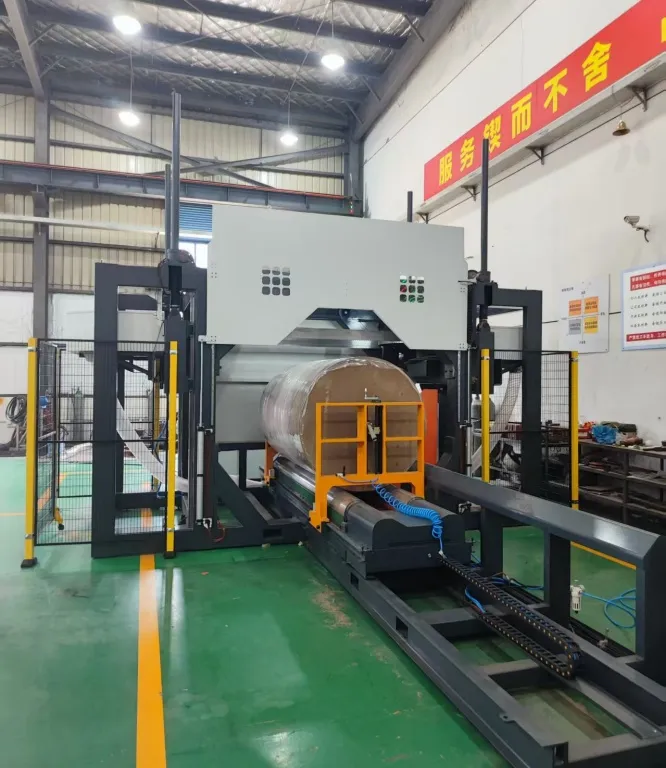
High-Precision
Characteristics
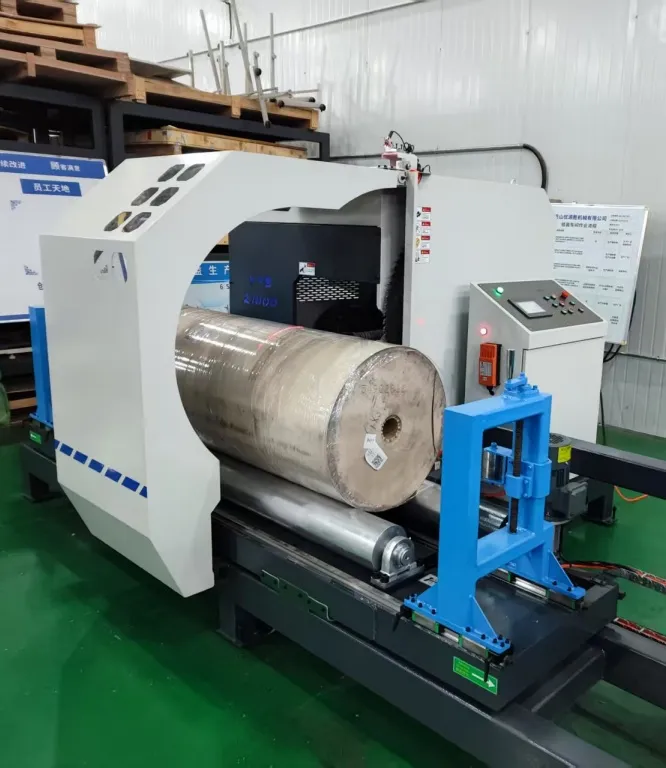
Stylish
Performance
Characteristics
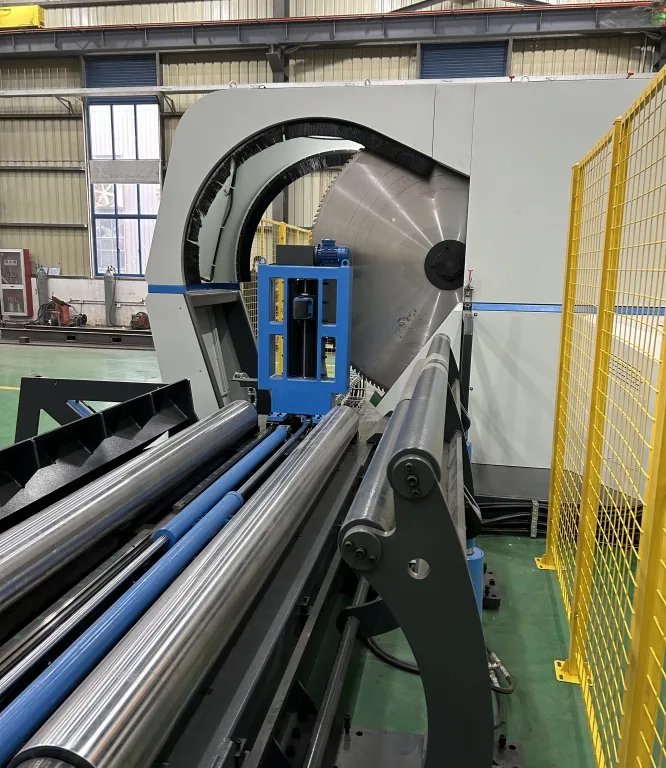
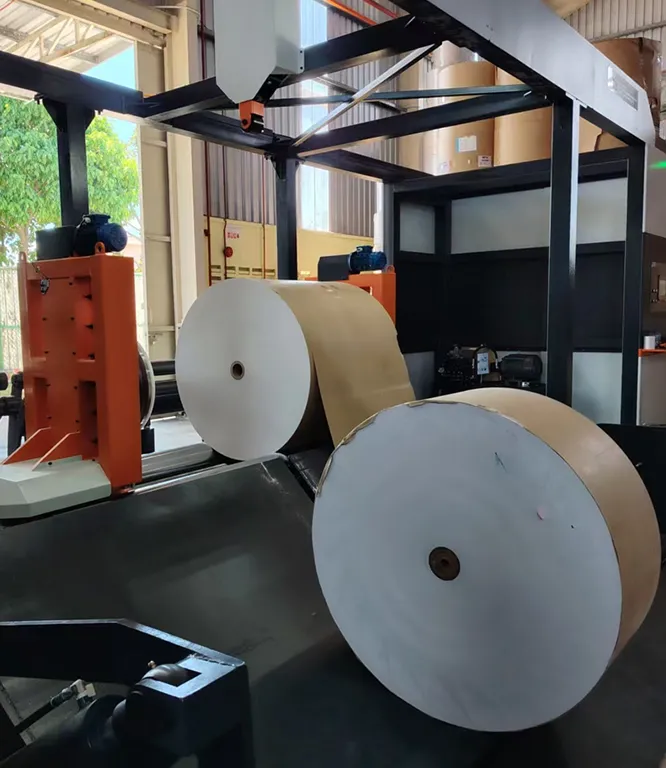
Cutting 1800mm Diameter
Performance
Characteristics
Automatic roll loading and unloading
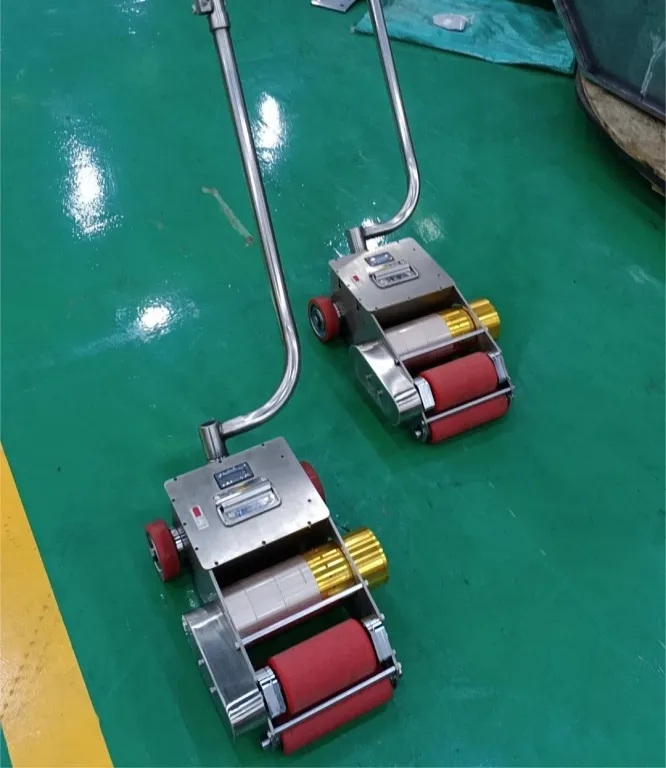
Flexible
Performance
Characteristics
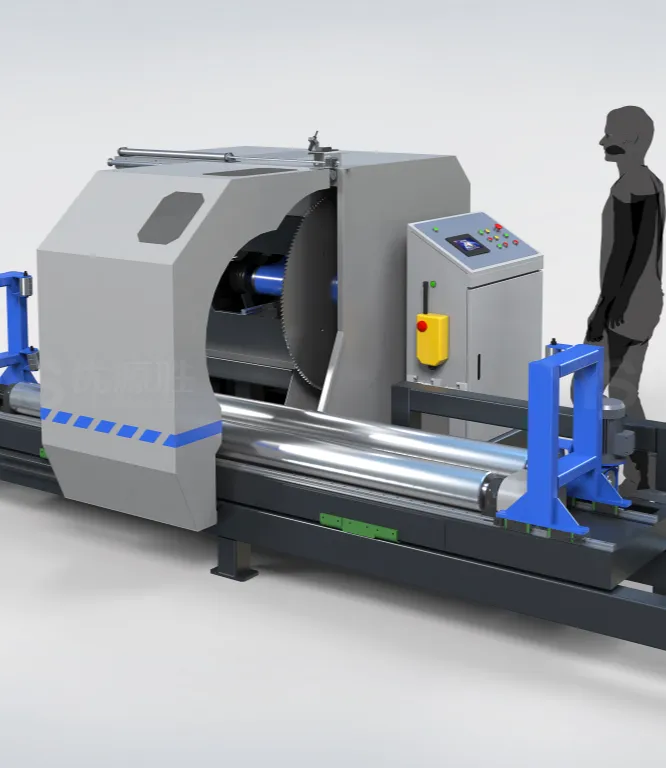
PLC Control
Performance
Characteristics
Social Media
Social Media
Contact Us
+86 0512 5510 8067
Room 3, No.2159, Beimen Road, Yushan Town, Kunshan City, Jiangsu Province, China
Inquiry
Inquiry
News Center
February 03, 2026
How After-Sales Support Affects Jumbo Roll Cutting Machine Performance



 RU
RU