Dec 18, 2025
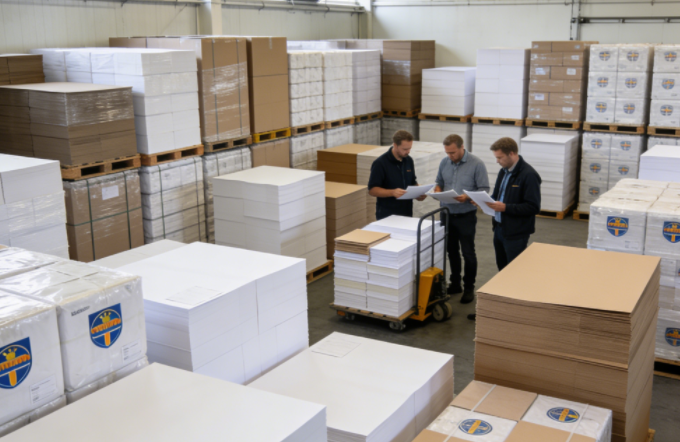
Sweden’s paper industry isn’t just a big deal for the country’s economy—it’s a major player worldwide when it comes to making pulp, paper, and paperboard. For over a century, it’s shaped Sweden’s finances, thanks to its massive scale, clever tech, and a long-standing focus on sustainability. But these days, it’s navigating some tricky waters: global demand is shifting, costs are going up, and everyone’s watching its environmental impact closer than ever.
Sweden’s paper and paperboard sector is a heavy hitter economically. It sits second in Europe when it comes to revenue, with a market worth around €13.7 billion. The industry is pretty concentrated, too—big names like Svenska Cellulosa AB (SCA), Stora Enso, and Holmen call the shots. Its success has always come down to two things: lots of trees at home (over 54% of Sweden is forest) and a focus on selling abroad. More than 80% of its products get shipped internationally, making it the world’s fourth-largest paper exporter and third-largest pulp exporter. Europe’s its biggest customer, taking about 73% of its paper and board exports.
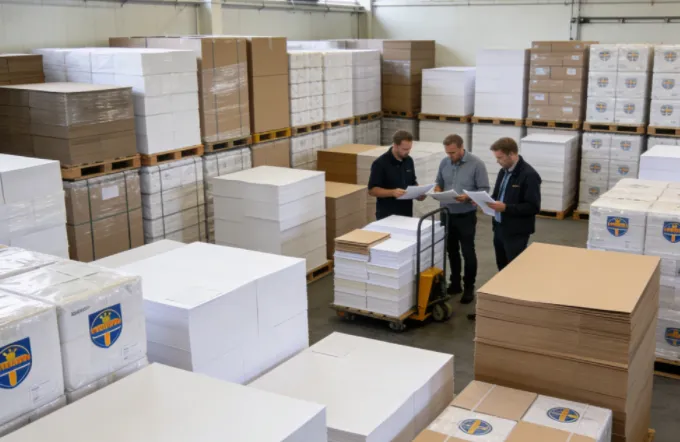
And it makes way more than just newspaper and notebook paper. Think corrugated boxes, paperboard liners—all kinds of packaging. Lately, companies have been pouring money into upgrading their factories, especially for higher-value products. Take SCA, for example: they dropped SEK 7.5 billion on the world’s biggest containerboard machine at their Obbola site, bumping annual capacity up to 725,000 tonnes. Metsä Board also spent SEK 3.5 billion at their Husum mill to make more folding boxboard and become more energy-independent. These moves all point to one thing: the industry’s leaning hard into packaging, and it’s easy to see why—e-commerce is booming, and people want sustainable alternatives to plastic.
Long before “circular economy” became a phrase everyone throws around, Sweden’s paper industry had already woven sustainability into its day-to-day. The big rule? “Sustainable forestry.” Since 1903, laws have required replanting: cut one tree, plant another. Add in modern eco-management rules from 1994, and even with constant logging, Sweden’s timber supply has gone up by about 60% since the 1920s. That’s no small feat.
The industry also leads the world in recycling and making the most of resources. Sweden’s paper recovery rate is around 69%—way higher than the European average of 56%. Holmen Group’s mills, for instance, have historically used up to 40% recycled newspaper to make new newsprint. But they’re not stopping at recycling. They’re also using cutting-edge tech to shrink their environmental footprint: systems that capture heat from factory fumes to save energy, using biomass (plant-based fuel) to power operations, and even turning pulp byproducts into valuable chemicals. Södra, for example, is spending over SEK 2 billion to become a top global producer of lignin (a pulp byproduct)—turning waste into a new way to make money.
For all its strengths, though, the Swedish paper industry is up against some big challenges. 2025 got off to a slow start: in the first seven months, pulp and paper production dropped 2.5% compared to 2024. The main issue? Its core European market is super weak. Between more competition for packaging materials and a sluggish economy, demand there has tanked. Exports to places like China and the US held up a bit—market pulp shipments rose 4.7%—but that’s partly because buyers were stockpiling, and it wasn’t enough to make up for lower production at home.
Then there’s the cost-demand squeeze. Production costs are skyrocketing—energy alone makes up 18-25% of expenses for similar European industries—and a stronger Swedish krona is hurting how competitive their products are. On top of that, new trade barriers are popping up: the US put 10-15% tariffs on some European wood products, paper, and board, which has messed with old trade routes.
But the biggest test of all is changing environmental expectations. The industry’s old model—planting huge swaths of the same trees to maximize timber—has come under fire for creating “green deserts” with no biodiversity. Environmental groups have tied major Swedish firms to damaged forest habitats and threats to endangered species. Plus, the sector uses a lot of energy and emits carbon, even though it gets big electricity tax breaks in Sweden. It’s pushing back against stricter EU rules for packaging and forestry, saying its practices are sustainable—but across Scandinavia, public and political pressure to protect forests is only growing.
At the end of the day, Sweden’s paper industry is a mix of history, industrial strength, and forward-thinking innovation. It’s a sector that lives on exports, and now it’s adapting to a world where sustainability isn’t just a nice-to-have—it’s a must for markets and regulations. Its future success will depend on three things: balancing profits with protecting the environment, branching out from traditional paper into bio-based materials, and handling the messy geopolitics and economic uncertainties of global trade.
Sweden’s paper industry has always adapted to stay relevant. If it keeps that up, it’ll keep being a global leader—one that’s responsible, too.
Main Products
High-End
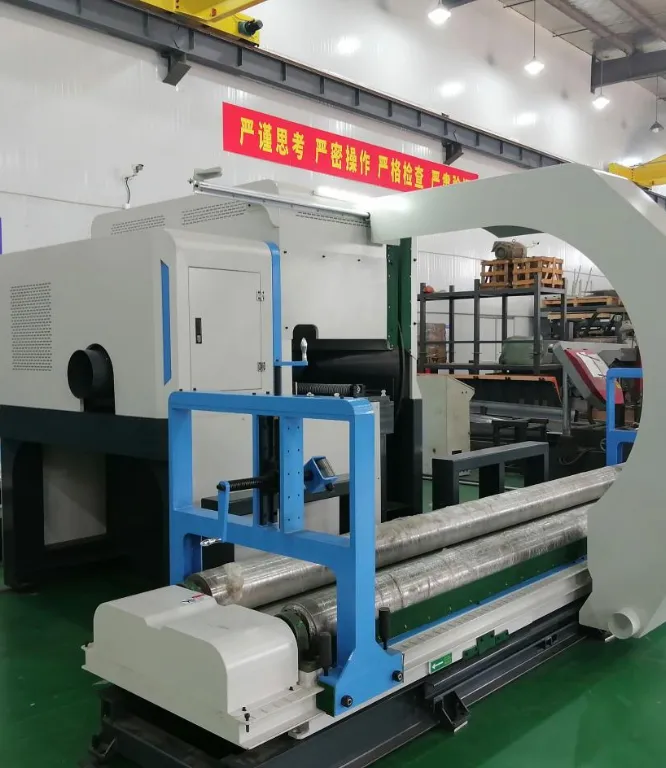
Auto Blade Retraction

Efficient
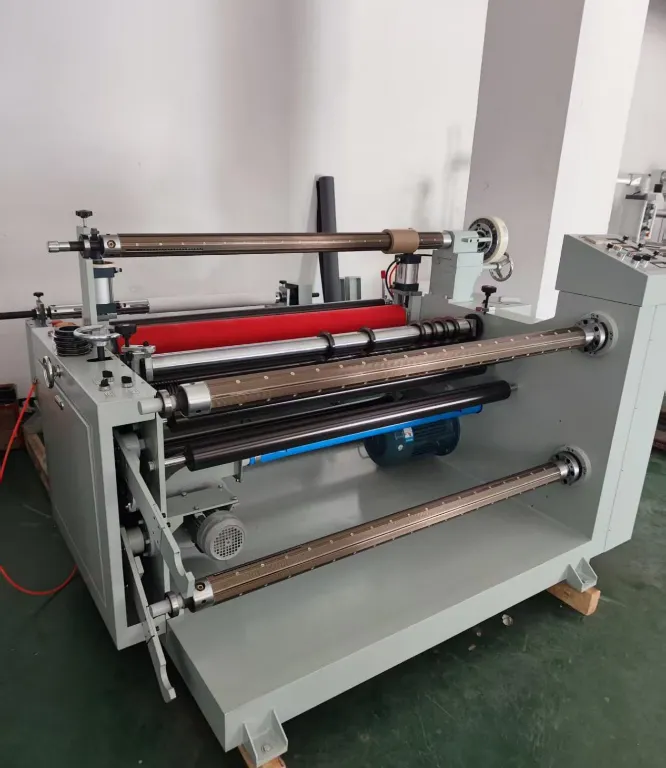
Multi-Functional
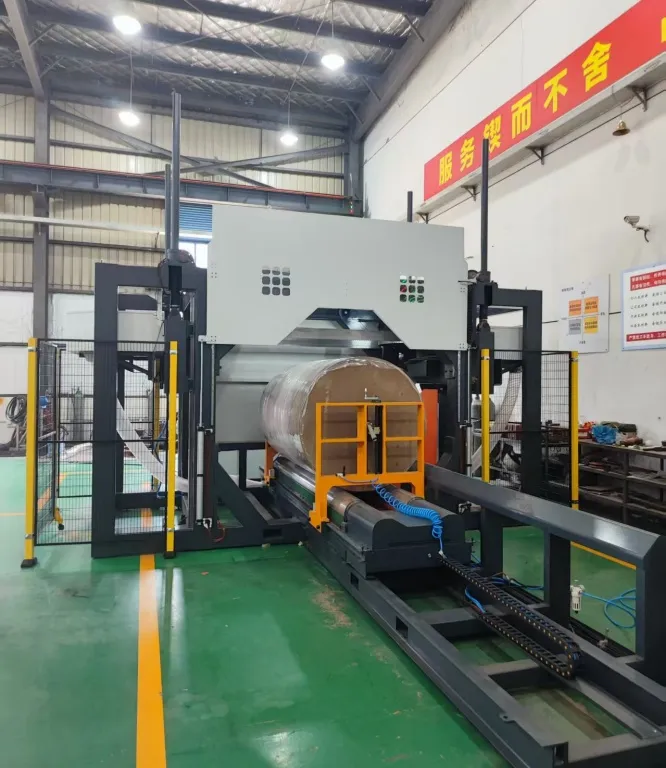
High-Precision
Characteristics
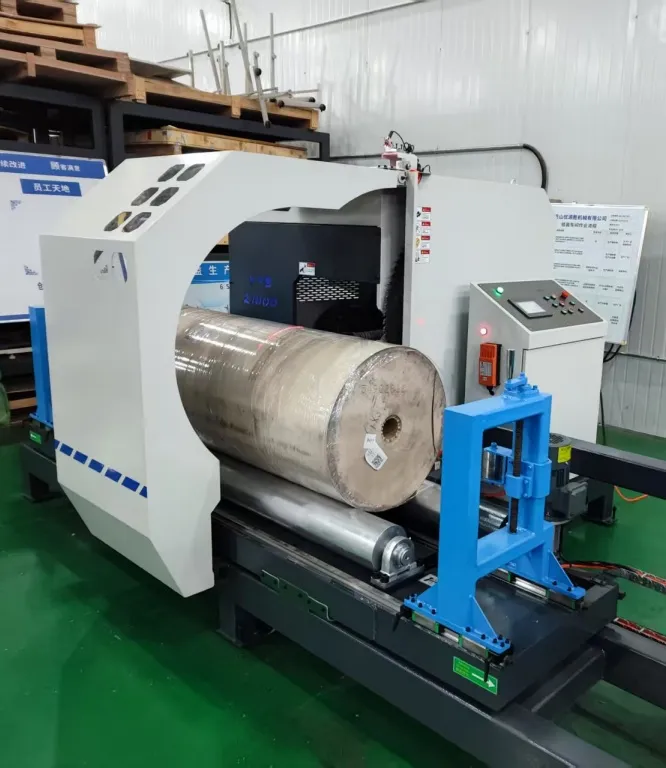
Stylish
Performance
Characteristics
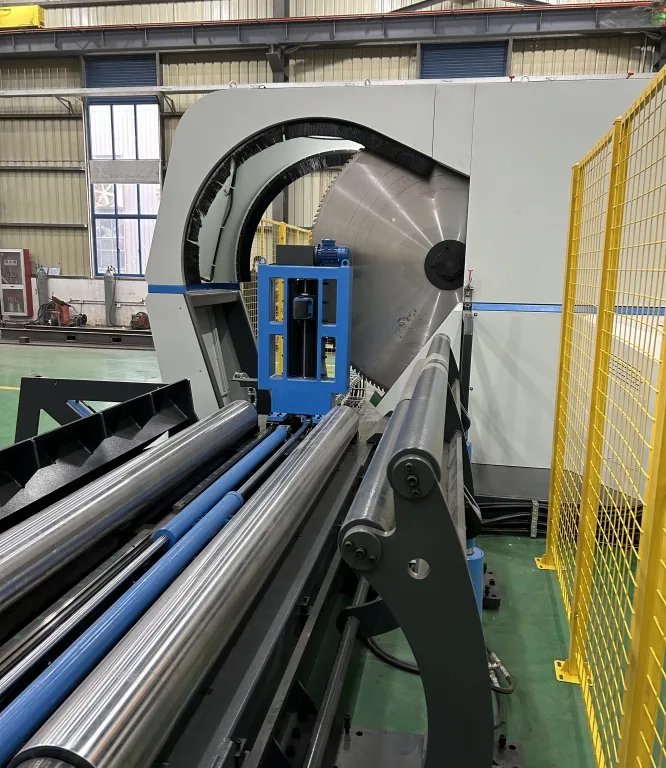
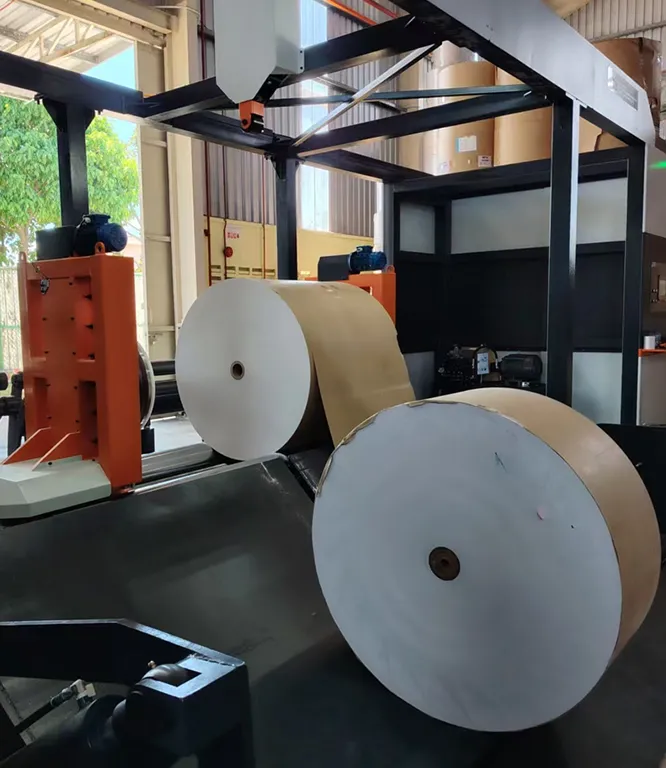
Cutting 1800mm Diameter
Performance
Characteristics
Automatic roll loading and unloading

Flexible
Performance
Characteristics
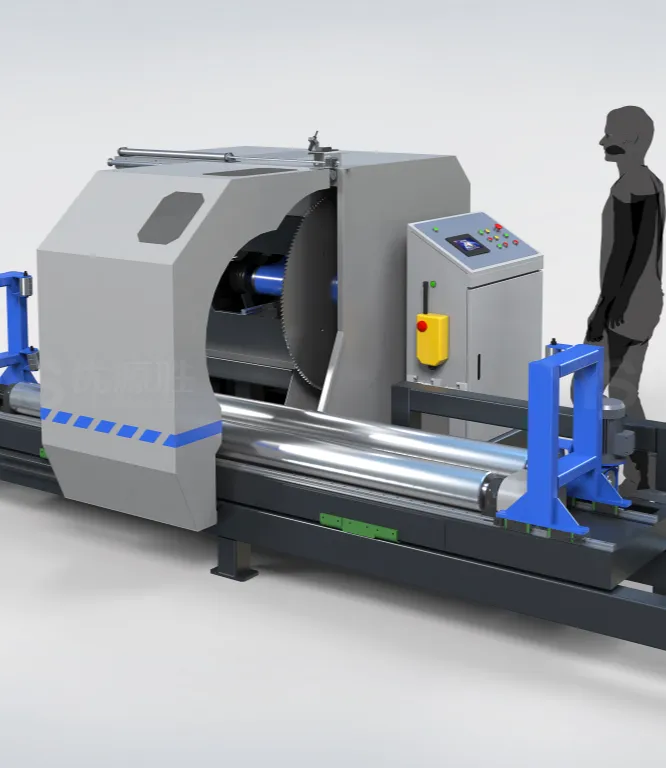
PLC Control
Performance
Characteristics

Social Media
Social Media
Contact Us
+86 0512 5510 8067
Room 3, No.2159, Beimen Road, Yushan Town, Kunshan City, Jiangsu Province, China
Inquiry
Inquiry
News Center

December 25, 2025
The Seasonal and Holiday-Driven Dynamics of Ocean Freight Rates
December 18, 2025


 RU
RU