
Dec 25, 2025
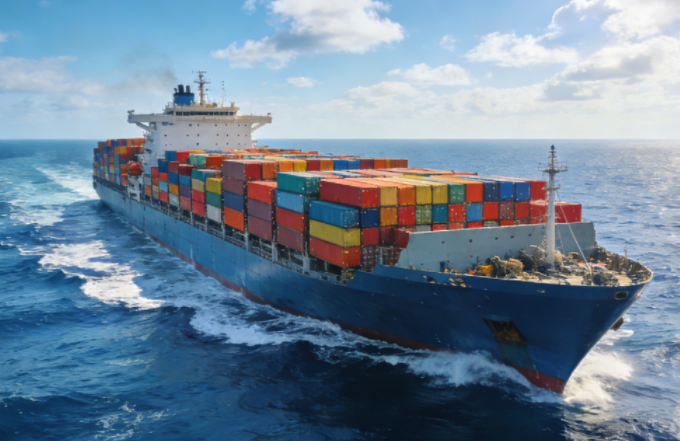
Ocean freight rates are not static figures on a balance sheet; they are a dynamic reflection of global commerce, consumer behavior, and geopolitical currents. Their fluctuations follow a complex rhythm shaped by seasonal demand cycles, major holidays, and a range of disruptive "black swan" events. Understanding this rhythm is critical for businesses navigating the volatile waters of international trade.
Historically, the ocean freight market followed a predictable seasonal pattern closely tied to the Western retail calendar and Asian manufacturing cycles. The classic model featured a distinct peak in the third quarter (Q3). Demand would build in the second quarter (Q2), fueled by retailers stocking up for back-to-school seasons and year-end holiday shopping sprees, culminating in a shipping surge from Asia ahead of China’s National Day "Golden Week" factory shutdowns in October. This August-to-October window was once the undisputed peak season, marked by high shipping volumes and premium rates.
Conversely, traditional lulls occurred in Q1—driven by post-holiday slowdowns and extended factory closures during Chinese New Year—and during Europe’s July-August summer holiday period.
Yet this traditional seasonal blueprint has grown increasingly unreliable. An analysis of a decade’s worth of container booking data reveals that the sharp, time-bound peaks of the pre-pandemic era (2015–2019) have been replaced by a flattened curve. The COVID-19 pandemic, followed by a string of geopolitical and logistical shocks, has fundamentally disrupted these cycles. Retailers, scarred by supply chain chaos during the pandemic, have shifted from "just-in-time" inventory strategies to holding "safety stock"—decoupling their ordering cycles from the rigid holiday calendar.
Furthermore, structural shifts—including supply chain diversification away from China, ongoing trade policy frictions, and carrier capacity reallocations—have eroded these predictable seasonal waves, particularly on key routes like the China-U.S. trade lane.
Despite the blurring of traditional seasonal lines, holidays remain powerful drivers of freight rate volatility—though their impact has evolved significantly.
The Year-End Holiday Season (Q4)
Christmas remains the single most impactful demand driver. Retailers rush to stock shelves for Black Friday, Cyber Monday, and the broader holiday shopping season, creating a surge in orders that strains available shipping capacity. This typically triggers the year’s most sustained period of high rates and capacity constraints, often starting as early as August as companies hedge against potential disruptions. Today, however, this peak is less a sharp spike and more a prolonged period of elevated pressure, often extending from October through December.
Chinese New Year (Q1)
This holiday exerts a unique two-phase impact. In the weeks leading up to the holiday, a concentrated "pre-holiday rush" emerges as factories accelerate production and exporters scramble to ship goods before extended shutdowns—often causing a short-term rate spike. Post-holiday, as factories gradually resume operations (typically from February to April), a gentle uptick in rates follows as backlogged orders are cleared.
Other Seasonal Influences
The summer months (particularly July-August) were once considered a relative off-season due to European factory holidays. But this dynamic has been upended by events like the Red Sea crisis, which forced vessels onto longer routes around the Cape of Good Hope. This rerouting absorbed massive amounts of shipping capacity, creating sustained upward pressure on rates regardless of the traditional seasonal lull.
Similarly, promotional events like Amazon’s Prime Day can trigger short, sharp spikes in air freight demand—though their impact on ocean freight remains more muted.
Today, the traditional seasonal and holiday rhythm is often overshadowed by a louder "symphony" of disruptive events. The market has become fundamentally "event-driven." Geopolitical conflicts—such as the Red Sea crisis, the war in Ukraine, and trade tensions (e.g., U.S.-China tariffs)—can instantly reroute global trade flows, creating artificial bottlenecks and capacity crunches that override seasonal softness. For instance, attacks in the Red Sea have been a primary factor keeping freight costs elevated, regardless of the time of year.
Operational disruptions—including the 2021 Suez Canal blockage, port congestion, labor strikes, and extreme weather events like Hurricane Beryl—can also cause immediate, severe rate spikes.
Beyond disruptions, the underlying supply-demand balance has shifted. Global fleet capacity has grown faster than container shipping demand since 2019. This oversupply, combined with weakened global consumer demand amid inflation and high interest rates, creates a backdrop where even traditional peak-season demand may not be strong enough to sustain rate increases without a concurrent supply-side shock.
Analysts note that recent rate hikes are often driven not by robust demand, but by carrier strategies—such as blank sailings (canceling scheduled voyages) and general rate increases (GRIs) announced during slower periods. This has given rise to the phenomenon of "off-season price hikes" .
In this era of flattened cycles and event-driven spikes, shippers must adopt new strategies; relying on a traditional calendar is no longer sufficient. Key approaches include:
Advanced Planning and Flexibility
Securing shipping space 1–2 months before anticipated demand—especially ahead of known peaks like Q4—is critical. Building flexibility into supply chains (e.g., using multiple ports or alternative transport modes) is essential to navigate sudden disruptions.
Diversification
Avoiding overreliance on a single trade lane or carrier helps mitigate risk. Exploring alternative sourcing regions and nearshoring initiatives can also reduce exposure to long-haul freight volatility.
Leveraging Financial Tools
The development of freight derivatives—such as container freight futures—provides shippers with tools to hedge against rate volatility. Long-term contracts (LTAs) with carriers can offer stability, though they require careful negotiation given the market’s unpredictability.
Real-Time Market Intelligence
Continuously monitoring not just rate indices (e.g., the Shanghai Containerized Freight Index, SCFI, and Drewry’s assessments) but also geopolitical developments, port congestion data, and carrier announcements is more important than ever.
While the seasonal and holiday pulse of ocean freight still beats—with Christmas and Chinese New Year remaining pivotal—its rhythm is now irregular and frequently interrupted. The market is defined by the phenomenon of "off-seasons are not slow, peak seasons are not booming" .
Success today depends less on predicting the calendar and more on building resilient, agile, and informed supply chains—ones capable of responding to an era where a holiday rush, a geopolitical flare-up, or a canal blockage can become the dominant force shaping freight costs.
Main Products

High-End

Auto Blade Retraction

Efficient

Multi-Functional
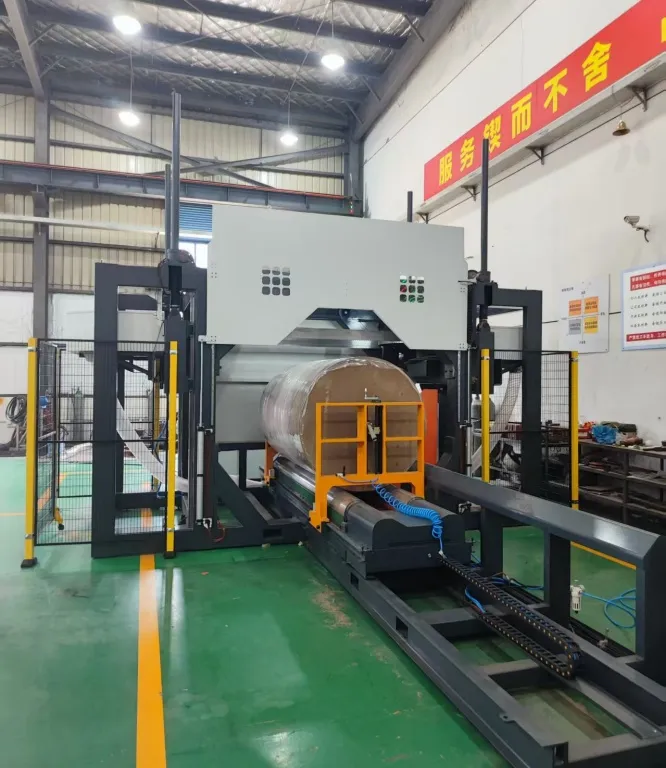
High-Precision
Characteristics

Stylish
Performance
Characteristics

Cutting 1800mm Diameter
Performance
Characteristics
Automatic roll loading and unloading

Flexible
Performance
Characteristics

PLC Control
Performance
Characteristics

Social Media
Social Media
Contact Us
+86 0512 5510 8067
Room 3, No.2159, Beimen Road, Yushan Town, Kunshan City, Jiangsu Province, China
Inquiry
Inquiry
News Center

January 05, 2026
Photographic Paper: The Timeless Canvas for Light & Memories
December 25, 2025
The Seasonal and Holiday-Driven Dynamics of Ocean Freight Rates


 RU
RU