Jan 05, 2026
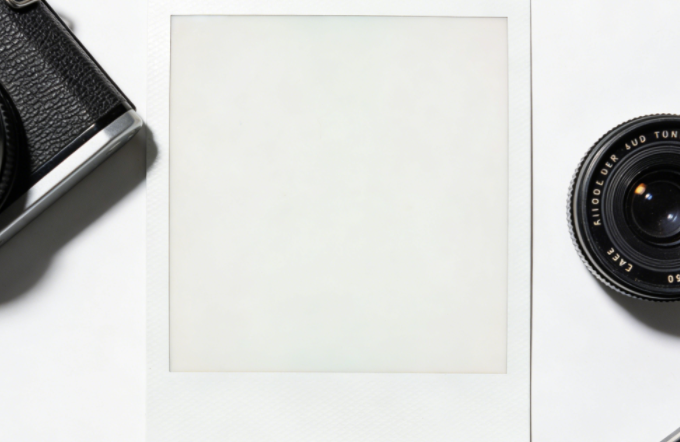
Photographic paper might look simple at first glance—but it’s actually a fancy, chemically engineered material that’s been turning photos into tangible keepsakes for nearly 200 years. It’s paper coated with light-sensitive chemicals, designed to catch and lock in a "hidden" image (from light), then turn it into a visible photo through processing. From 19th-century experiments to today’s sharp digital prints, it’s come a long way—but its core job stays the same: turning a fleeting flash of light into something you can hold, keep, and revisit.
Here’s the basic science:
The paper has an emulsion layer (think: a gel-like mix) spread over it, packed with tiny silver-based crystals (like silver chloride or bromide). These crystals react to light.
When light hits the paper (from a film negative or a digital light source), the crystals change chemically to form a "latent" (invisible) image.
Then you run it through chemicals: this turns the exposed crystals into metallic silver (for black-and-white prints) or triggers dye reactions (for color prints)—and poof: the image shows up.
Oh, and the paper base itself isn’t regular notebook paper. It’s often pre-coated with barium sulfate (called a "baryta layer"): this makes the surface super white/smooth (so images look brighter) and keeps paper fibers from messing up the sensitive emulsion (no splotchy prints!).
Photographic paper splits into two main categories, and they’re like night and day for photographers:
1. Fiber-Based (FB / Baryta) Paper: The "Luxury Classic"
This is the old-school, high-end option: emulsion coated on a base of fancy cotton or alpha-cellulose pulp.
Pros: It delivers top-tier quality—rich tones, wide contrast, and a luxe, tactile feel. It’s the choice for fine art or archival prints (a properly processed FB print can last centuries without fading).
Cons: It’s a pain to process. The paper soaks up chemicals/water, so you have to wash it for over an hour to get rid of all residues (otherwise it’ll degrade fast).
2. Resin-Coated (RC) Paper: The "Fast & Practical" One
Later invented: a paper core sealed on both sides with waterproof plastic (polyethylene).
Pros: Game-changer for darkrooms! The plastic keeps chemicals/water out, so processing, washing, and drying takes under 30 minutes. It also stays flat (no curling) and is more durable.
Cons: Purists say it can’t quite match FB paper’s depth and tonal richness—but modern RC papers are great for most casual or commercial use.
Beyond the base, there are tons of options to tweak how your photo looks:
Surface Finishes (The "Look & Feel" Choice)
Glossy: Super shiny, with bright colors, deep blacks, and sharp contrast. Perfect for vibrant landscapes or commercial ads (but watch for glare and fingerprints!).
Matte: Non-shiny, textured surface—no glare, no smudges. Gives a soft, subtle vibe, ideal for black-and-white portraits or fine art.
Luster/Pearl: The middle ground—semi-gloss, so less glare than glossy but still has good color/saturation. Versatile for everyday photos or portraits.
Contrast Grades (For Black-and-White Prints)
Back in the day, papers came in grades 0 (super soft, low contrast) to 5 (super harsh, high contrast)—you picked one to match your film negative.
Now Variable Contrast (VC) paper is king: it has emulsions sensitive to blue and green light. Pop a filter in your enlarger (to adjust blue/green light), and you can get any contrast level from one box of paper.
Color Papers: The Multi-Layered Magic
Color paper has 3 emulsion layers (one for red, green, blue light), each with dye couplers (cyan, magenta, yellow). When processed, these layers mix to make the full-color image (from a color negative or digital file).
Yeah, we take 99% of photos on phones now—but photographic paper isn’t going anywhere. It’s still sold everywhere, and people love it for one big reason: tangibility.
A printed photo has texture, weight, and a presence you can’t get from a screen. It’s the final step in a photographer’s creative process: picking the paper, tweaking the print, holding the result. Whether you’re using a old-school darkroom enlarger or a modern laser printer (like a LightJet), photographic paper turns a digital file or film negative into something real—an artifact of art, memory, or history you can stick on a fridge, frame on a wall, or pass down.
Main Products
High-End
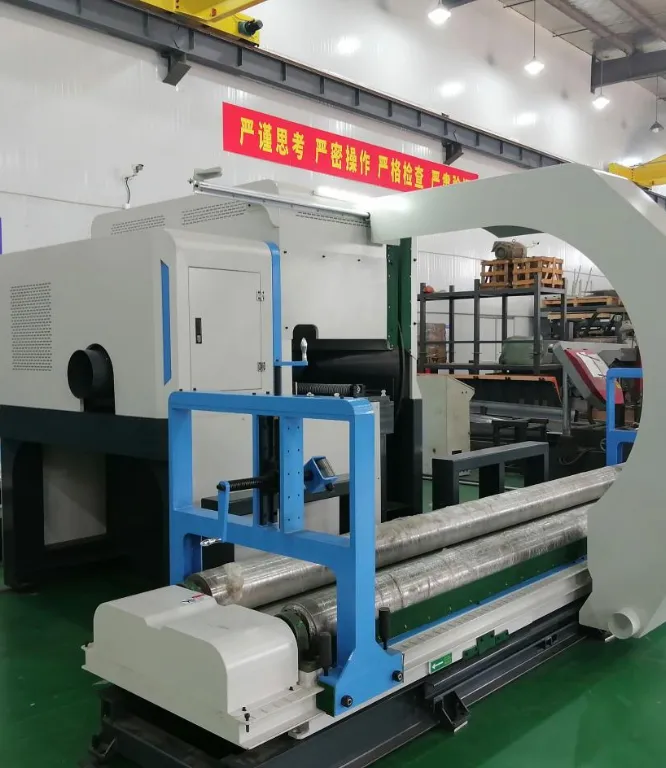
Auto Blade Retraction
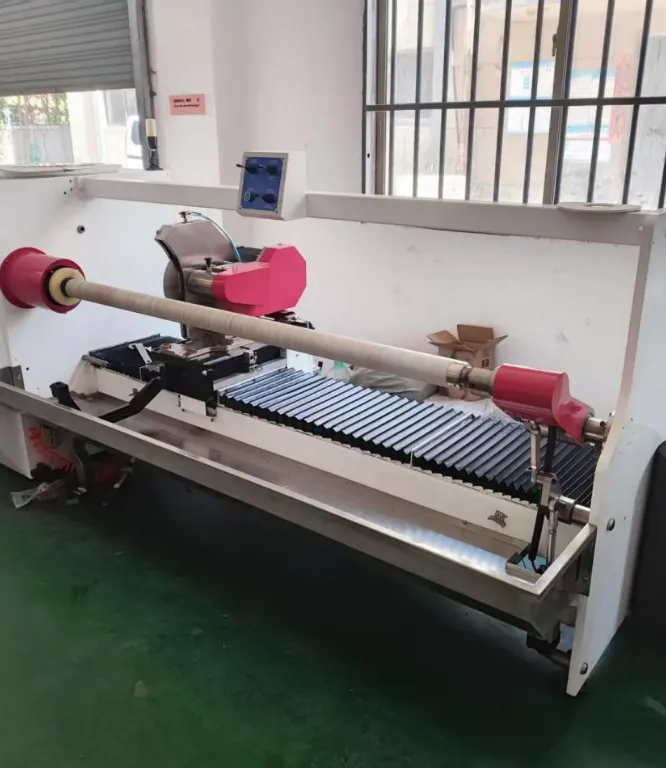
Efficient
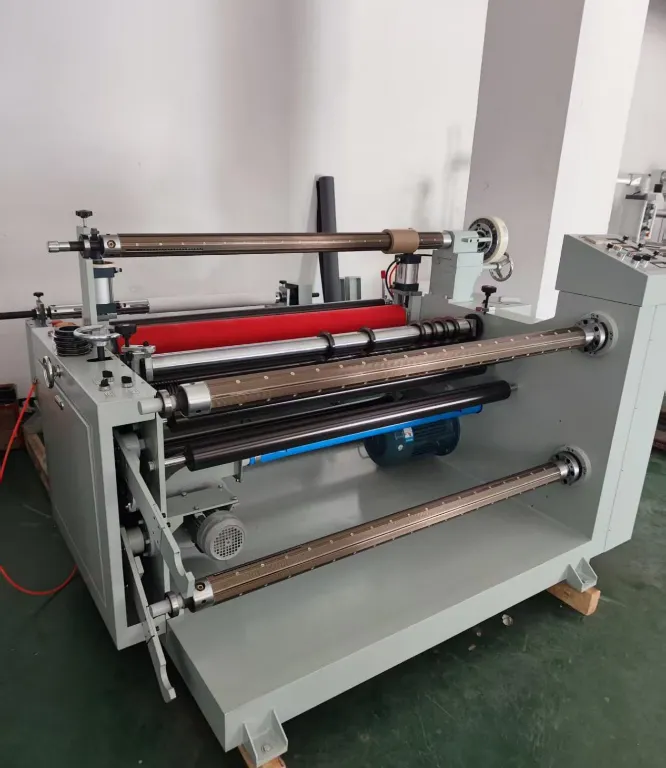
Multi-Functional
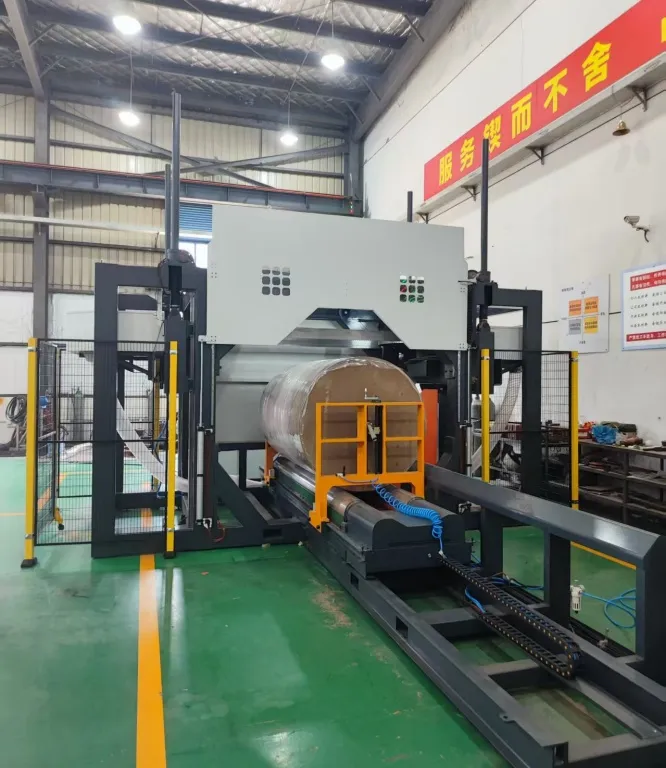
High-Precision
Characteristics
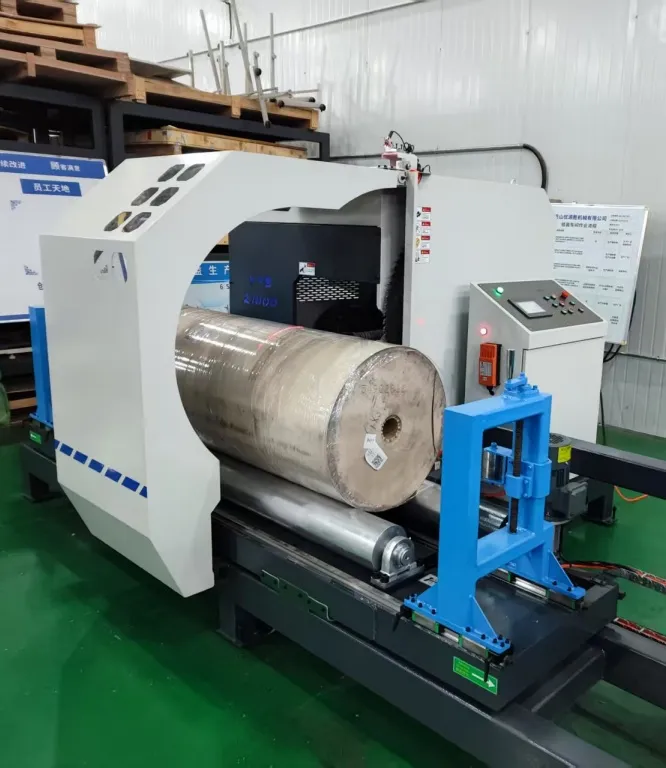
Stylish
Performance
Characteristics
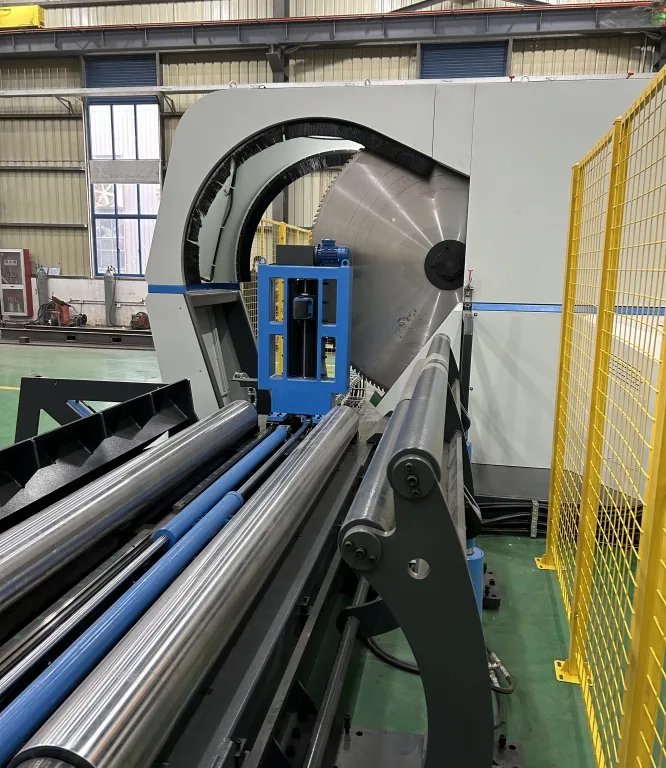
Cutting 1800mm Diameter
Performance
Characteristics
Automatic roll loading and unloading
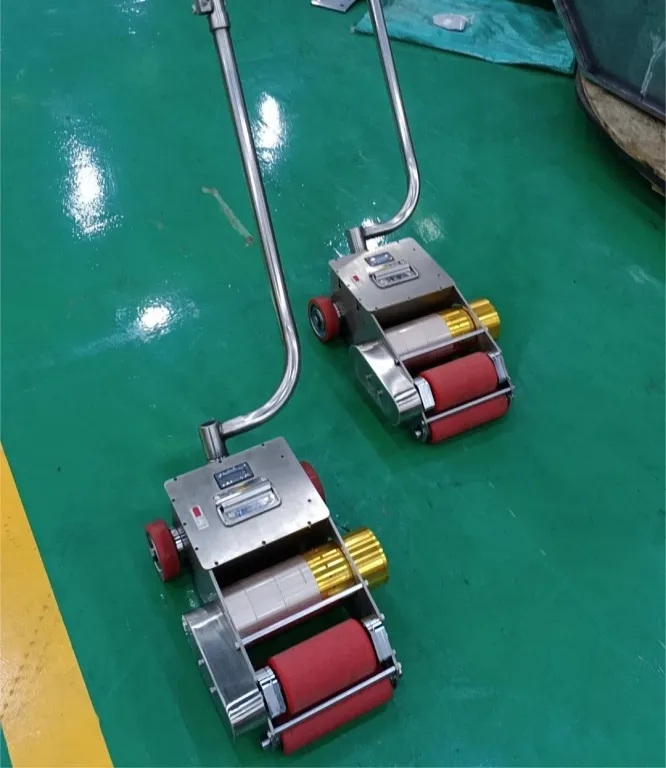
Flexible
Performance
Characteristics
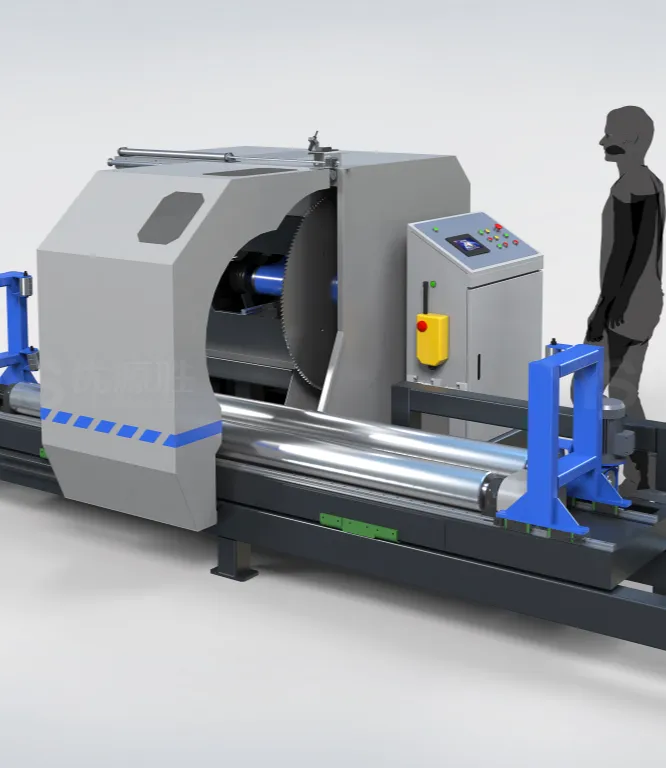
PLC Control
Performance
Characteristics

Social Media
Social Media
Contact Us
+86 0512 5510 8067
Room 3, No.2159, Beimen Road, Yushan Town, Kunshan City, Jiangsu Province, China
Inquiry
Inquiry
News Center
January 05, 2026
Photographic Paper: The Timeless Canvas for Light & Memories

December 25, 2025
The Seasonal and Holiday-Driven Dynamics of Ocean Freight Rates


 RU
RU